In today's rapid digital environment, every click counts. Marketers are always thinking about how to measure audience engagement, optimize a campaign's performance, and get the maximum return on their advertising investment. The traditional way of measuring clicks helped a marketer understand if something was successful but can sometimes come up short due to privacy concerns, ad blockers, or complicated reporting. Alternatively, short links are just simple URLs. However, they can also provide amazing data to help a business. You can track clicks on the URLs, see how users behave once they engage with the link, and work toward optimizing your marketing effort across every channel. You may get even more out of these insights by using a reliable link management tools.
Why Short Links are Important
Short links are more than simply easy-to-remember URLs; they're also strategic tools that assist marketers in keeping track of short links, looking at short link statistics, and improving short link campaigns. Short links give you information that traditional tracking systems typically miss, such as when you use social media, email marketing, or work with influencers.
Short links make it easy to share URLs, and they also let marketers keep track of clicks on links, learn about their audience's behavior, and improve their marketing campaigns. Using short links wisely can make a big difference in a world where every click matters.
How Short Links Track & Unlock Powerful Data Insights
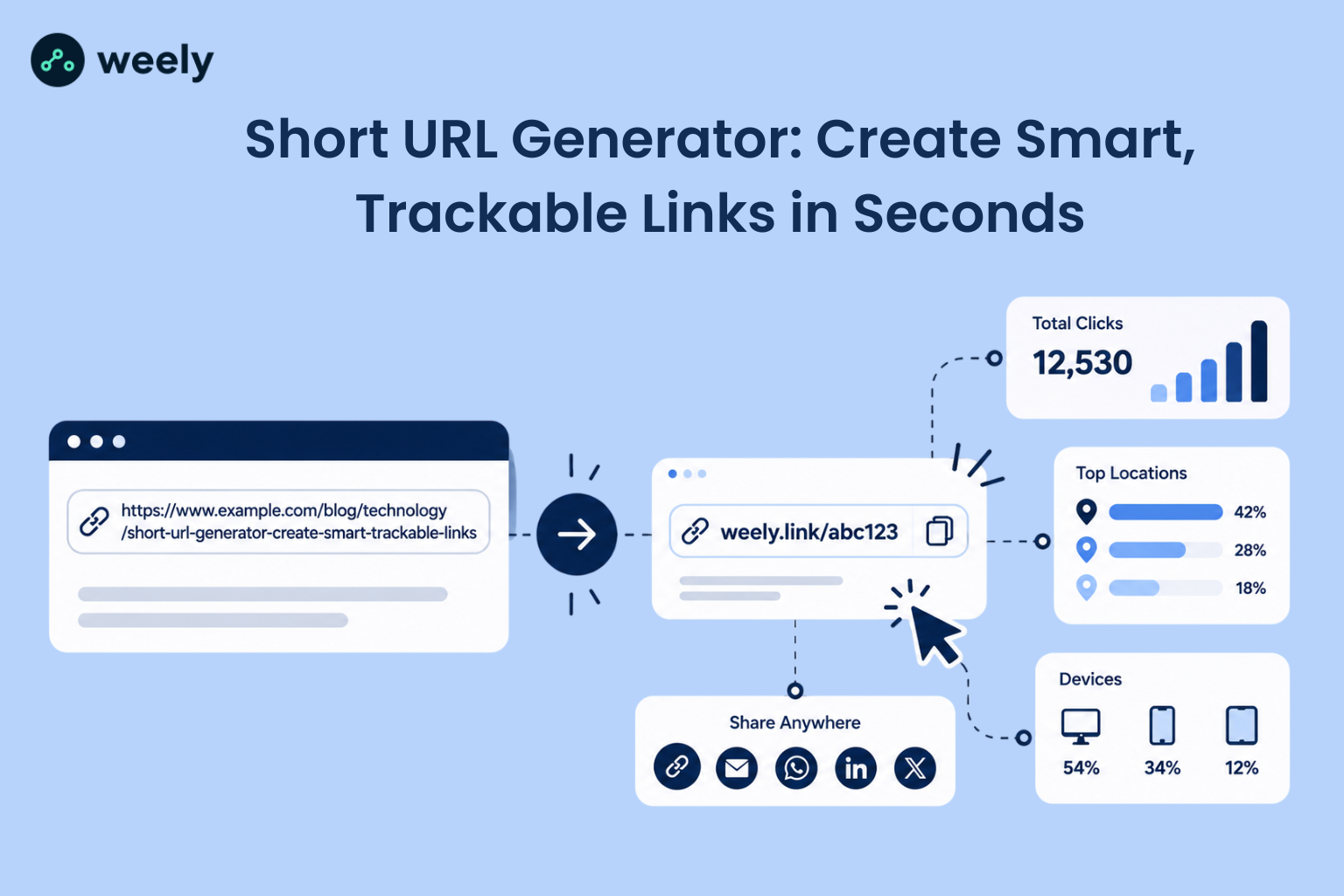
Every time you click on a short link, it automatically creates useful data without the reliance on cookies or any other type of tracking that may be obstructed by privacy tools. Here’s what short links track:
- Total clicks: This shows which content gets the most people interested.
- Geolocation: Displays the city, country, or area of a user for better targeting your audience.
- Device and browser type: Shows method through which the audiences are accessing content on desktops, mobile, or tablets, and allows landing pages to be adjusted to their needs.
- Referral sources: Keeps track of “clicks” from social media, email campaigns, or partners, so that you can focus time and resources on the best performing channels and track performance using a UTM link.
- Click-over-time trends: Shows when most people are active, so you can schedule and plan content and ads to see the most people active at one time.
All of these pieces of information are part of larger marketing statistics that help marketers make their campaigns better.
Why Analyzing Short Links is Key to Understanding Audience and Campaign Performance
Traffic short links enable converting raw data into insights that originally have some value regarding audience behavior and campaign results:
- Audience behavior: Understand the users, separating them by their location, device, or referral source so that you can send the content that is most relevant. For example, users of Instagram might be inclined to watch shorter videos, while email subscribers would be more likely to consume something in a more comprehensive guide format.
- Content performance: Each content piece has a unique short link that gives insights about which blog, video, or product receives the most click through and far more engagement.
- Channel effectiveness: Identify whether channels drove traffic and conversions so you can deploy more resources effectively.
- SEO insights: Discover what keywords and search queries are responsible for clicks so you can gain optimization insights to help you improve ranking.
- Engagement levels: Compare impressions vs. clicks as a measuring stick of how compelling your content is and adjust messaging as needed.
How to Optimize Campaigns for Maximum Return Using Tracked Short Links
Understanding results from tracked link URLs can be a great strategy for helping you to optimize campaigns as you go and improve click-through rates:
- A/B testing: Employ different short links for different calls-to-action or visuals to test what engages audiences best.
- In-campaign adjustments: Analyze the data from the short links and make changes to optimize performance in real time.
- Personalization: Provide personalized content according to audience behavior, location, or device.
- Refined content strategy: Use calendars (or tools) to plan your content strategy using historical post-engagement trends.
- Enhanced ROI: Keep track of which links lead to sales and conversions so you can get an accurate picture of your ROI.
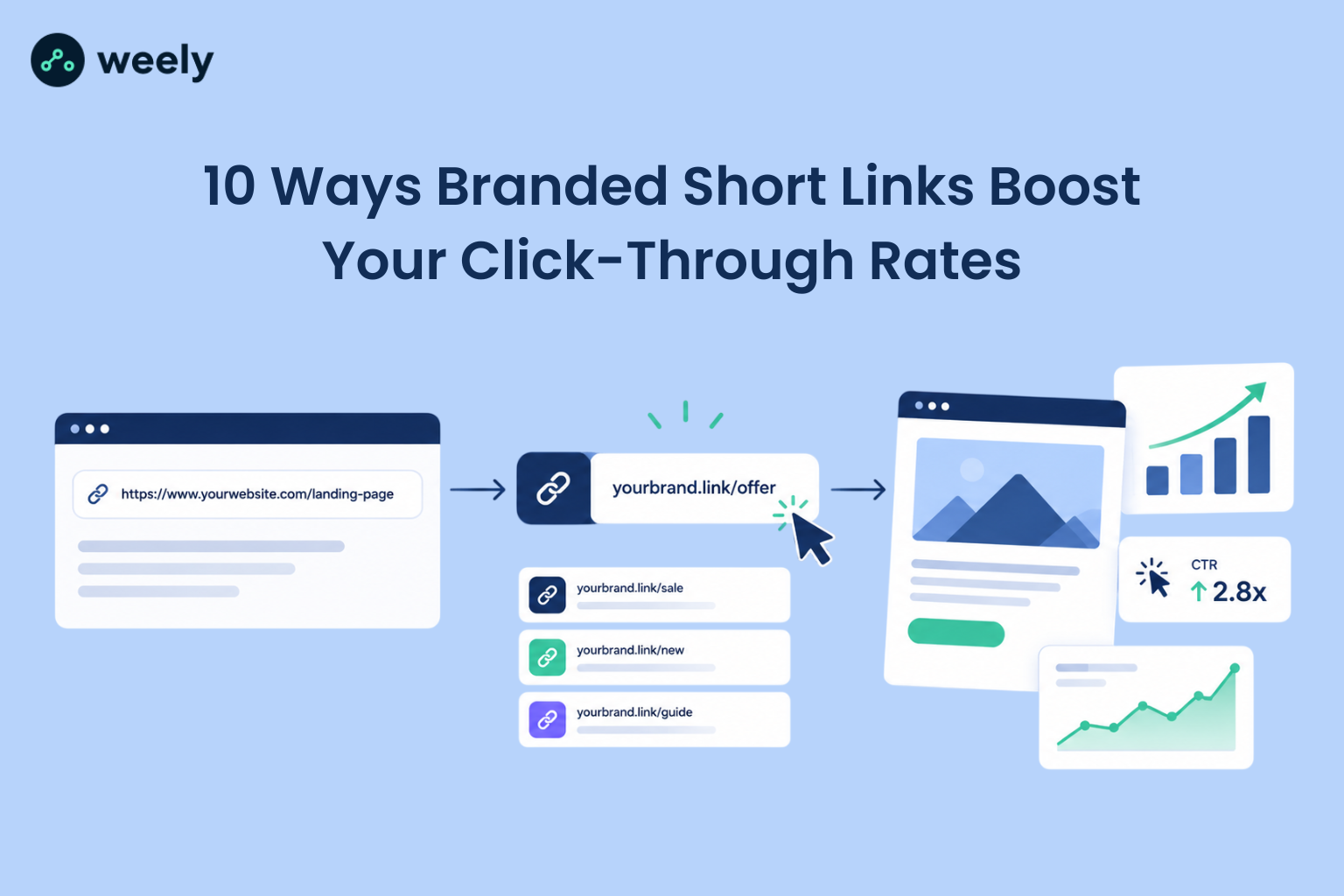
- Better placement: Test placement on various applications in various environments, and use your link click data to develop better click rates with your links.
Hidden Benefits of Short Links
Short links offer much more than analytics, they provide advantages that can be strategically utilized. Short links are more than just clicks. They strengthen branding, create greater authority, and help manage campaigns. Shortening links makes them user-friendly and better designed, both digitally and for the audience.
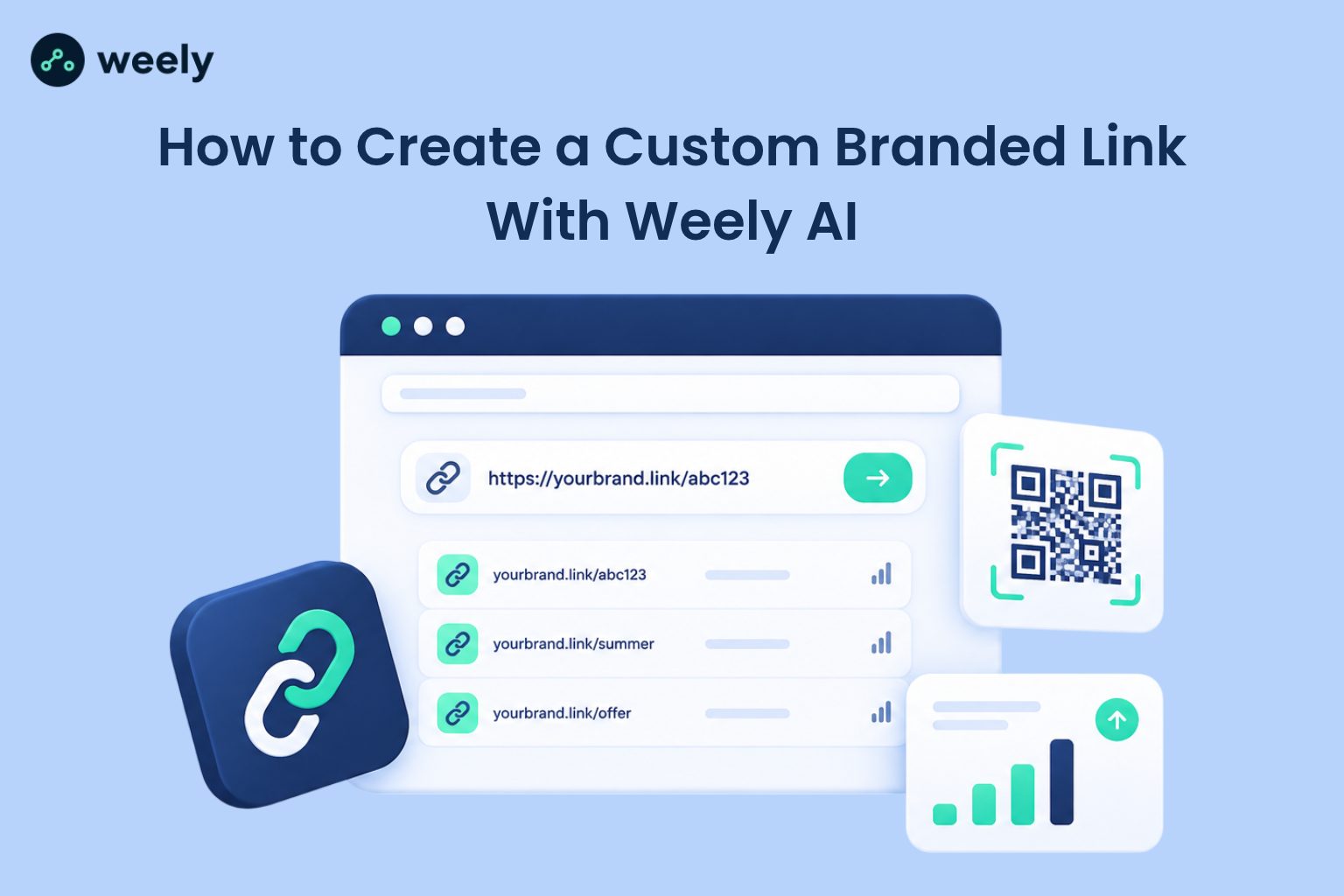
- Branded short links: Reinforce your brand identity and increase trust.
- Improved campaign management: It's easy to organize short links and keep track of activity and reporting.
- Security and spam protection: Keep users protected from harmful redirects.
- Better shareability: Short links are simpler to communicate and share, helping you reach a broader audience organically.
- Integration with marketing tools: Several short link platforms can connect with CRM, email marketing, and analytics tools, streamlining workflows.
Practical Applications of Short Links
Short links can be applied and enhance marketing and the performance of the business operations in general in many instances:
- Social media campaigns: Seen, clicked, and missed - all engagement on social media can be tracked across platforms to best inform social media efforts.
- Email marketing: See which messages your target audience is interested in through clicks and further conversion.
- Affiliate and influencer marketing: Track commission and traffic from affiliates and influencer driven links.
- Internal use: Track managed short links for member communications or internal reporting.
- Event promotion: Track registrations or RSVP if the event is a featured link in the messaging of social or email marketing communications.
Best Practices for Short Links
When integrated thoughtfully, short links become a valuable element within your marketing toolkit. Following best practices will help you not only make them look professional but also get the most impact for your effort in campaigns.
- Utilize branded short links to increase brand trust and recognition.
- Establish a standardized naming practice to assign links to track their performance.
- Monitor the performance of the campaign often so you can make changes to it in real time.
- Avoid putting too many short links into things; the more short links there are, the more confusing it is for the user.
- Be compliant and security-minded by using short link services that you trust.
- Utilize analytic and marketing tools to sync short links so you have a well-rounded reporting function.
Conclusion: Short Links as a Growth Engine
In an age where you take data-driven decisions, and "to innovate or die" is the mantra of success, you cannot compromise with short links. They provide marketing professionals with the capacity to track clicks, monitor user behaviors, and adjust campaigns as they progress while still remaining professional and shareable with AI link marketing insights. They unlock insights that traditional tracking simply can’t, like finding which channels result in the most conversions to boost engagement with branded short links.
The power of links to me is not the ability to shorten them, but to move beyond raw data into actionable activity. Companies can improve ROI, increase customer confidence and grow campaigns more efficiently when performance is continually tracked and optimized. In a nutshell, short links are not only about linking to content or making it shorter; they’re also about engaging your audience, repeatable communication, and marketing in ways that other short link tools aren’t.
FAQs: How to track, analyze & optimize Short links for better results
Does using short links affect SEO or Google rankings?
A lot of people aren't sure if short (shortened) links are bad for SEO. Actually, the short answer is "no," as long as the short link is used correctly. The target page can get SEO value (link equity) from the URL shortener if it uses a 301 permanent change to get there. But links that use temporary redirects (302, for example), have no follow properties, or go through shortener services that you can't trust can hurt SEO. Better click-through rates (CTR) and easier sharing are two indirect SEO benefits of short links that can help your site get more attention.
What kinds of analytics can I get from short links that help me optimize?
Short links are powerful tools because each click generates data automatically without depending on traditional tracking that may be blocked. You can see:
- How many total clicks each link gets
- Geographic location of the users (city, country)
- What device, browser, or platform people used
- Which source (social media, email, partner site) referred the clicks
- Trends over time (when people click most)
Using this info, you can track engagement, segment your audience, and refine your content strategy (e.g., posting times, device optimizations). These analytics are essential to the “analyze” and “optimize” parts of your strategy.
How do I use short link data to improve campaign performance (optimize)?
When you have tracking data, you use it to make your efforts better. This is called optimizing. Here are some ways:
- Putting different images, links, or calls to action through A/B tests to see which one works best.
- Real-time changes (like moving the budget or the message) should be made if a campaign doesn't do well.
- Personalizing material by segment (e.g., mobile vs desktop, region, source).
- Changing the times of your posts based on when your audience is most busy.
- Get the right ROI by using short links that feed into your tracking of conversions.
Are short links safe, and how can I maintain trust with my audience when using them?
There are some things that can be scary about short links, like where they lead and whether they hide spam or harmful content. To ensure safety and maintain trust:
- Trustworthy short-link services (or your own short domain with your brand) that allow HTTPS are best.
- When you can, use transparent previews or unique links so people can find your site.
- It's best not to use generic or sketchy shorteners that people might not believe.
- Check links regularly to make sure they don't lead to broken ones.
What are best practices for choosing and managing short links for long-term success?
These steps will help you get the most out of short links over time:
- A named custom short domain is best when you can use it. Having consistency helps build trust.
- Stick to a clear naming scheme and group your links so you can see what campaign, channel, or variation they correspond to.
- Make sure that the shortener keeps tracking parameters (like UTM parameters) and works well with the analytics tools you already have.
- Regularly check how well links are working and fix any content or links that aren't working right.
- If you need to, make sure that your platform can handle dynamic updates or route changes, and that it is very reliable and has a high uptime.