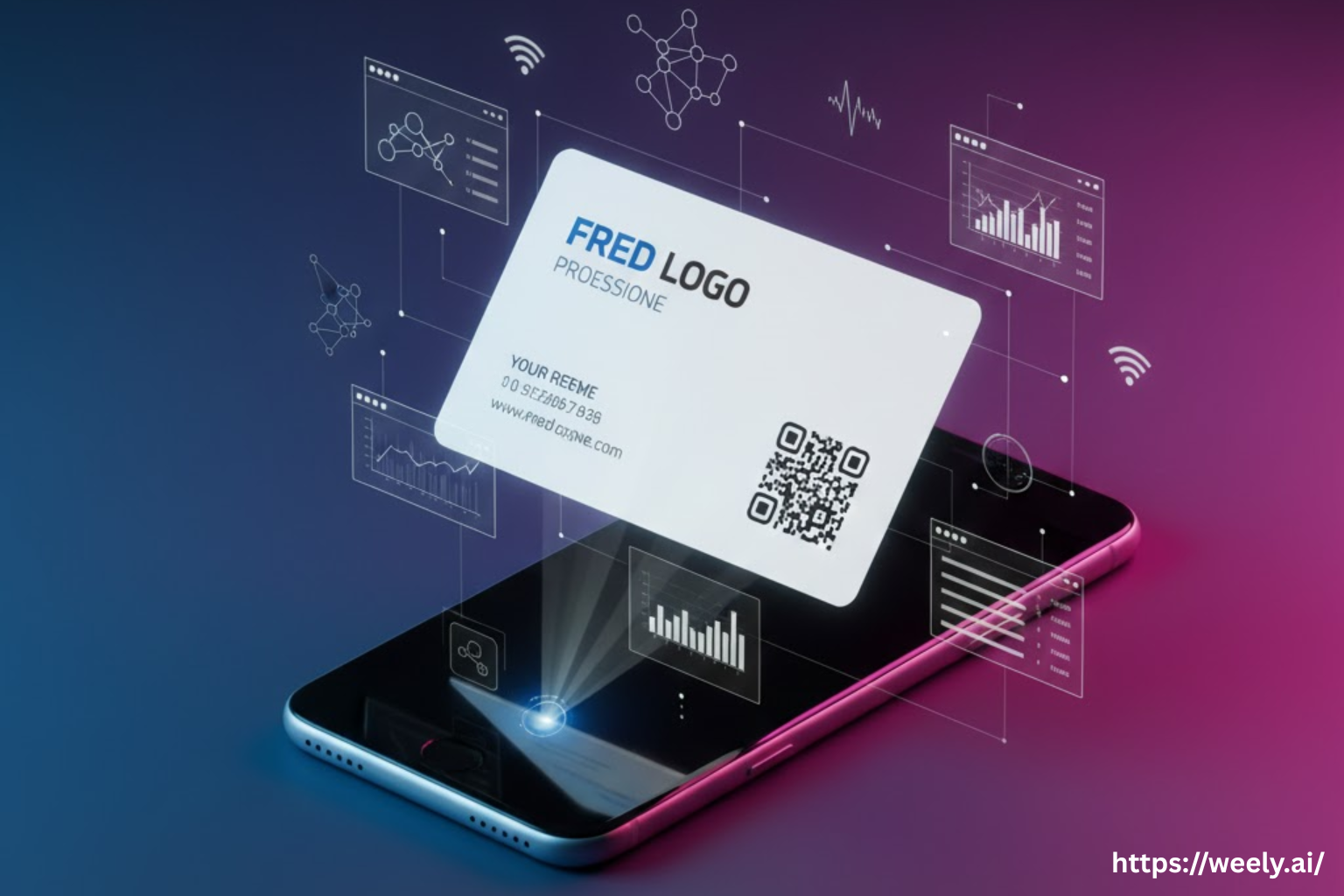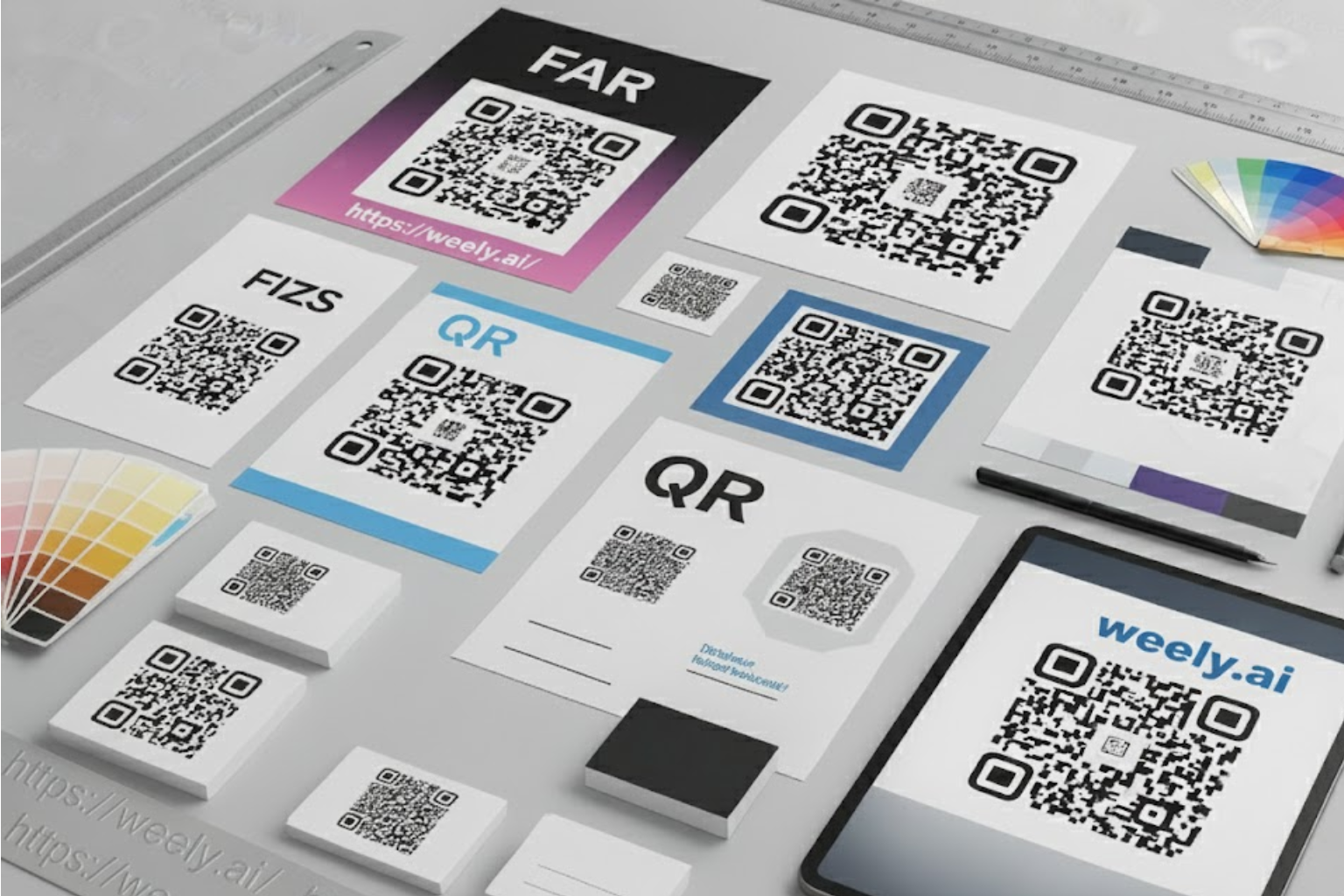
QR Code Marketing has transformed from a niche technology to a key component of modern digital marketing strategies. QR codes will be prevalent in several marketing campaigns by 2026, and will provide a seamless handoff between offline experiences to innovation. From dynamic QR codes to AI-powered QR code marketing tools, a business can engage customers, grow sales, and analysis with fast efficient tool. This blog will explore how QR Code marketing campaigns are changing business and how to implement a campaign for maximum impact.
What are QR Codes?
QR (Quick Response) codes are two-dimensional barcodes that store information, and are most often a URL. People who have a smartphone or a QR code reader can scan a code and go straight to the place they want to go. This could be a website, a product page, a video, or even a payment builder.
The Evolution of QR Codes in Marketing
Originally designed for logistics and inventory management, QR codes are now being used as a core marketing tool. As of 2026, QR code marketing is more creative, user-friendly, and measurable. Brands have now seamlessly integrated QR codes to bridge the gap between physical interaction and, by engaging users and enhancing the connection to the brand's digital experience, engagement and retention have also increased.
Why QR Code Marketing Is a Must in 2026
Marketers can easily connect offline and online events with QR codes. They are ideal for brands seeking to connect with customers as they engage in real time, while also gathering insightful data.
Benefits of QR Code Marketing
- Enhanced Customer Engagement: You can provide discounts, surveys, or exclusive content to users immediately.
- Increased Convenience and Accessibility: Users have higher engagement with QR codes because they are easily able to read them with smartphones.
- Trackable Data and Analytics: You can track your readers scan locations, devices, and reader engagement for optimization.
- Cost-effective Marketing Tool: Low production costs can be utilized on print, packaging, and digital media.
How QR Code Marketing Works in 2026
Now that it's grown up, QR code marketing is a smart way for companies to connect the real world with the digital world. The process in 2026 is simpler, easier, and more measurable, allowing you to easily engage customers and track campaign results. Knowing the workflow helps ensure that your QR codes provide maximum impact.
Step-by-Step Process
Before laying out the steps, it's important to say you need to understand just how meaningful each step is to the success; from creating the code to tracking the data, every step is integral to the success of a QR code campaign. Planning each step allows for more scanning, higher engagement, and valuable data from QR Code analytics.
- Create the QR Code: Use QR Code generators on the web or QR Code dynamic tools which will take users to a landing page, promo, or any other digital assets.
- Design for Visibility: You will want to have QR codes in areas of high traffic, such as printed ads, product packaging designs, and on your billboards.
- Promote the Scan: Introduce a 'Call to Action' such as "Scan to receive 10% Off" to encourage them to scan the QR code.
- Track and Analyze Data: Use QR code analytics to see the rate of scanning, their behaviors during the scan, there are a few things we can optimize for campaigns, and more.
The Types of QR Codes You Can Use
In QR code marketing, choosing the right type is important to help you reach your campaign's goals. QR codes can be classified according to the data type they use, the content type they link to, the format in which they are generated, and the encoding mode, with each serving different purposes in digital engagement and connectivity.
By Data Type & Functionality:
- A static QR Code will contain data that cannot be changed after it is created and is intended for permanent links.
- A dynamic QR code will retain the data on a server, allowing for future editing of content, tracking scans and storing analytics post printing.
- A custom QR Code usually utilizes brand colors, logos, or some other creative design choice to improve the aesthetics of the code and recognize the brand.
By Content Type:
- URL QR Codes link to a web page or landing page.
- vCard QR Codes will automatically share contact information.
- WiFi QR Codes allow users to connect to WiFi networks, bypassing the need for a password.
- App Store QR Codes link to download an app.
- File and Social Media Codes will link to documents or Online profiles.
By Format & Encoding:
- Micro QR Codes are smaller and appropriate for times when space is limited.
- FrameQR and iQR Codes are very compatible with logos because of their larger and complex designs, and have a higher data capacity.
- Encoding Modes - numeric, alphanumeric, binary and Kanji - will hold the data you save in the code and ensure the data is safe to use because they were originally created for QR codes to ensure data compatibility and efficiency all across a global campaign.
QR Code Marketing Strategies for 2026
As QR code marketing continues to change, it's easy to foresee new, innovative ways to incorporate QR codes into a wider digital marketing approach in 2026. Companies are no longer using QR codes for only simple redirection. They're using QR codes for more personalized, trackable, and interactive experiences, improving customer relationships along the way! The right QR code marketing strategy can engage customers online and offline, from social media marketing to augmented and virtual reality experiences.
1. Integrating QR Codes with Social Media Campaigns
Connect offline content to online content by adding a QR code to your social media advertisements so users can access extended content, landing pages, exclusive offers, or even join contests and giveaways. Example: A fashion brand uses a basic QR code within its Instagram advertisement linking to a discount for a new collection they're promoting.
2. Using QR Codes for Contactless Payments
QR codes are becoming the quickest and most secure transactions for contactless payment, and retailers, restaurants, and public transportation are exploring the possibilities for their applications.
3. Personalized Customer Experiences
When you use a QR code, mobile device users scan the QR code, and your analytics also track that you can customize future offers and suggestions as rewards for being a loyal customer based on all the previous purchase history you have.
4. Interactive Offline Campaigns
QR codes turn marketing into an interactive, rewarding experience. There is an example of a scavenger hunt with QR codes hidden around physical locations, giving clues and prizes to further engage the audience.
5. Integrating QR Codes with Augmented Reality (AR)
AR in combination with QR codes provides immersive experiences. For example, furniture brands can use AR using QR codes to let the audience visualize products in their home.
Best Practices for QR Code Marketing in 2026
- Ensure Easy Scanning: Always use large QR codes that are visibly located. Forget a busy setback.
- Design Creatively: Use your brand's color, logo, or any custom imagery to get the consumer's attention.
- Make the Destination Mobile-Friendly: The landing pages should be optimized for mobile devices to reduce bounce rates.
- Use QR Codes for Time-Sensitive Offers: Use QR Codes for offers that have short deadlines. You want to create urgency.
- Add Tracking and Analytics: Add tracking and analytics to review how often a QR Code was scanned, a type of device, and where it was scanned. This will help you strengthen campaigns.
Future Trends in QR Code Marketing (2026 and Beyond)
With technology's rapid evolution, QR code marketing is ushering in a new era driven by advancements in AI, augmented reality, sustainability, and improved data security. Emerging technologies are changing the methods brands engage with their consumers for more insightful, immersive and credible experiences.
- AI-Powered Personalization and Engagement: AI will allow QR codes to be customized in real-time through purchasing behavior, demographics and preferences. Companies will use real-time data analysis to keep customer offers, engaging content, and product suggestions up to date. It may also help to streamline your A/B testing capabilities, improving the performance tracking of marketing campaigns to make QR code marketing data driven like never before.
- Sustainability and Transparency: The upcoming Eco-Governance regulations for the environment, like the EU's Eco design for Sustainable Products Regulation, will make QR Codes call for interactive reports of traceable product data, such as sustainable material sourcing, and carbon footprint. More and more people need proof that brands are committed to sustainability, so brands that are serious about being open can help build trust and loyalty.
- Integration with AR and Immersive Experiences: Augmented reality equipped QR codes create a new, interactive, digital layer giving the user the ability to preview furniture in any space, virtually try on apparel or view a 3D product demo. The integration of these forms of physical and digital engagement improves the overall customer journey.
- Omnichannel Connectivity and Data Privacy: QR codes will remain active in linking in-store, online and mobile touchpoints, establishing more seamless customer experiences across channels, but with the tightening privacy regulations, companies will no longer be able to get away with surreptitious QR campaigns and will need to focus on the secured, consent-based QR campaigns with transparent data use and usage, at a minimum to be in compliance with GDPR and global data protection laws.
In 2026 and beyond, QR code marketing will be smarter, more environmentally sound, and far more interactive; approach behaviors are to be radically improved through QR codes, evolving the engagement consideration across industries.
Conclusion
The use of QR codes for marketing is changing quickly, and by 2026 it will be an essential vehicle for connecting with customers, increasing engagement, and becoming more efficient. Dynamic QR codes, personalization and analytical intelligence will augment returns on investment, while keeping brands competitive in an increasingly digital-first marketplace. Whether it be for promotions, interactive campaigns or simply contactless payments, QR codes are bringing new and innovative way to link offline experiences to online interactions.
Frequently Asked Questions About QR Code Marketing Strategies
What advantages do Dynamic QR Codes offer over Static QR Codes?
Dynamic QR codes provide some important advantages including the ability to change the target URL/content after the code is printed (meaning you can save on reprints); the ability to track important analytics such as where the scans occurred, type of device, scan time; your ability to A/B test your campaign and modify as necessary; and enhanced scanability due to a cleaner code.
How can I ensure my QR Code campaigns are secure and protect user data?
When maintaining security for your QR code marketing campaigns, always use a trusted dynamic QR tool that includes multiple security features such as password-protected links, expiration timer links, and single use scan links. Be clear to the user about any data store about your applications; monitor and be compliant with any regulations (GDPR, for example); never embed sensitive data in static QR codes; scan tests, preview links, and fallback content can also help mitigate security issues or risks.
How do I measure the success of QR Code Marketing campaigns in 2026?
Key measures for measuring success include the number of scans (unique vs. total), location information, device type, time of scan, conversion rate (i.e., how many people do what you want them to do after scanning), and bounce rates on the landing pages. You can check on the success of your projects in real time by using dynamic QR code analytics dashboards or integrated tools like CRM and marketing automation.
What best practices help improve scan rates and customer engagement?
The usage of design becomes a significant factor as greater contrast between the QR code and the background enhances the likelihood of successful recognition and utilization. High contrast, a strong call to action (“Scan here for …”) and margins bring even further value. The placement also helps ensure visibility and accessibility (sometimes lighting can obstruct the code or accurately viewing it from a distance).
What are some creative use cases of QR Code Marketing that stand out in 2026?
Some interesting use cases could be: AR experiences launched by a QR code (for example, visualizing what furniture would look like in your room); gamification or campaign launches - (e.g. a scavenger hunt); limited-time deals or flash promotions; app download prompts; contactless payments and digital menus; this is especially pertinent for retail, restaurants, health or events; also consider leveraging QR code to compliment loyalty programs or social media contests for an omnichannel strategy.
Should I use dynamic or static codes for long-term printed materials?
Dynamic QR codes are usually safer for long-term printed goods like packaging, posters, and signs since you can alter the destination content without having to print a new static code. Static codes are also cheaper and useful for content that you don't want to update. Dynamic codes, on the other hand, often give you more flexibility and a greater return on investment over time if your material changes often (URLs change, campaigns change, rules change, etc.).
What types of QR codes are most suitable for different marketing uses?
The right type of code primarily depends on the purpose. URL codes point to redirect users to a webpage, vCard codes allow users to instantly add contact information, WiFi codes provide instant access to that network, and App Store codes directly link to download that app. Micro or mini QR codes can help when space is tight (on a product tag, for example). Dynamic codes are generally the most versatile across the types of codes, as you can update the codes and track engagement and touchpoints.
What emerging trends in QR Code Marketing should I plan for in 2026?
QR codes will also now find use in the realm of customization - personalizing - the code and user journey. We will see more legislation around data privacy in general, especially requiring clearer opt-ins and transparency for the user. Furthermore, using QR codes in relation to sustainability in terms of additional info (origin, nutrition, carbon footprint, etc.) is on the rise. We will see deeper AR/immersive integrations and use of QR codes across touchpoints (physical to digital omni-channel).