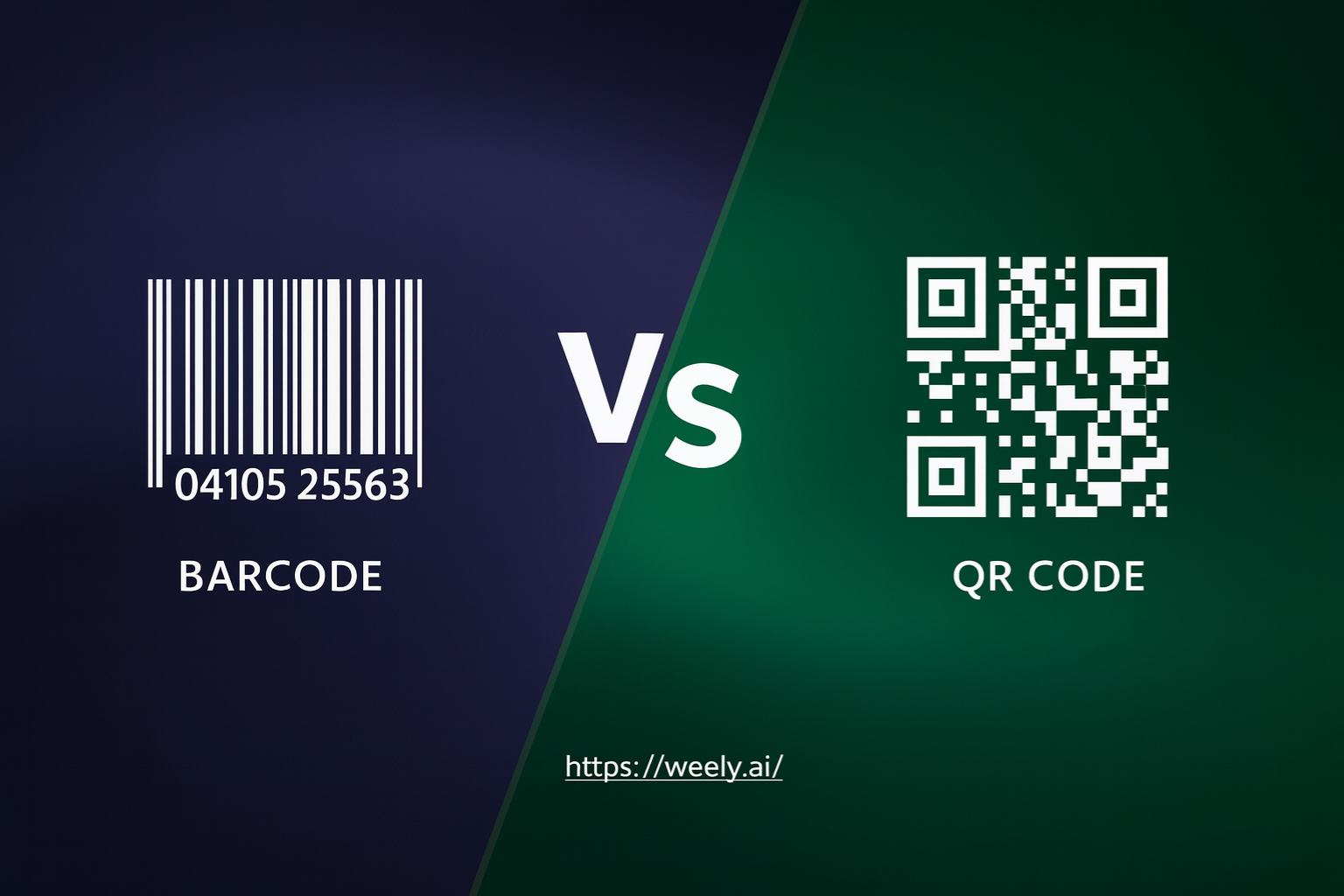
Businesses are constantly looking for faster and smarter ways to connect their physical products to the digital experience. This is where the QR Code vs Barcode Debate comes into play. Both QR codes and barcodes store information about a product; they both also allow businesses to scan that information into their system, but how they do each one is different and affects how the company operates, markets, and interacts with their customers differently.
QR codes are very popular now that people can use their smartphones as QR code scanners, and they are used all over the world, from product packaging to restaurant menus, event tickets, and more. Traditional barcodes are still important for inventory management and retail checkout. So, which is better for business, a QR code or a barcode, and how do you decide?
In this blog, we’ll break down the difference between QR codes and barcodes and explore QR codes marketing. You will be able to make the best decision for your business by choosing between using either one or both to help you generate more business.
What Is a Barcode?
A barcode is a means by which a machine can read data through a graphic design usually made up of several parallel black bars with a variety of white spaces that are of varying widths. The barcode visually represents the codes that can be scanned to find out the details of a product, such as pricing, name, category, and other information stored in a computer database. By using barcodes, the fundamental part of every business process is simplified in areas such as inventory control, product tracking, and payment methods.
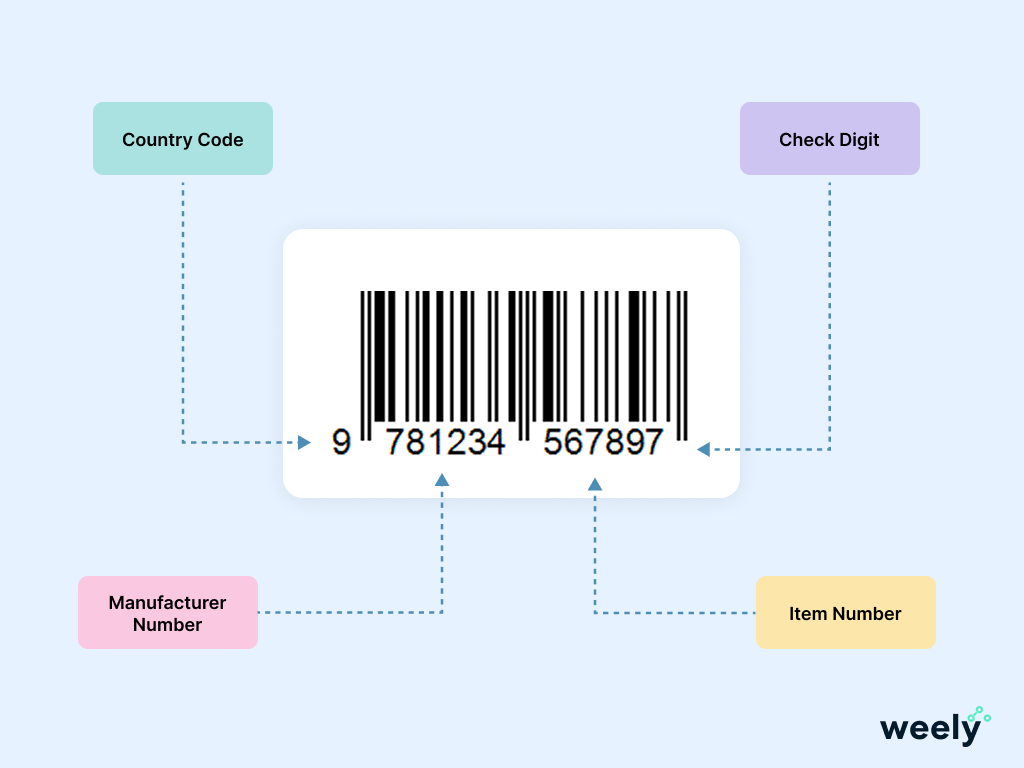
Understanding the Basic Barcode Structure
The barcode uses the variation in the gaps, widths, and heights of the bars to convey characters or letters. There is a "Quiet Zone" on either side of most barcodes that provides a buffer so when a barcode scanner scans the barcode, it can properly detect and read the code. In addition to the code itself, many barcodes have a number printed below the bar, which can be used for quick reference to identify the product by a human.
How Barcode Scanning Technology Works
An optical scanner reads the alternating dark and light areas in the barcode by using either a laser or imaging sensor. The alternating areas are then converted to digital data and compared with the product record in a database for fast identification and seamless checkout or tracking.
Different Types of Common Barcodes
1D (Linear) Barcodes:
A one-dimensional barcode has the information encoded in a single horizontal line. They are frequently used to identify retail and grocery items, as well as in inventory management systems. The most popular examples of one-dimensional barcodes are: UPC, EAN, and Code 128.
2D (Two-Dimensional) Barcodes:
Data can be encoded both horizontally and vertically in a 2D barcode, allowing the data contained in the barcode to be significantly larger than that which is found in its linear cousin. Shipping, asset tracking, digital ticketing, and other types of applications frequently use 2D barcodes. The most prominent example of a 2D barcode is a QR code.
Business Applications of Barcode Technology
Barcodes are used for many different types of industries, including retail, logistics, healthcare, manufacturing, warehousing, and event management. Barcodes allow businesses to track inventory, manage assets, label shipments, identify patients, tag equipment, and verify tickets.
What Is a QR Code?
QR code stands for Quick Response Code. A QR code is a two-dimensional barcode containing a large amount of data in an easy-to-scan square shape. A traditional barcode contains information only in a horizontal line, while QR codes have the advantage of storing information in both a horizontal and a vertical direction. This allows QR codes to have many different types of information contained within them, such as text, URL links, contact information, and payment information, etc. The convenience of being scanned and processed instantly using a smartphone QR code scanner allows businesses to use QR codes as a versatile tool.
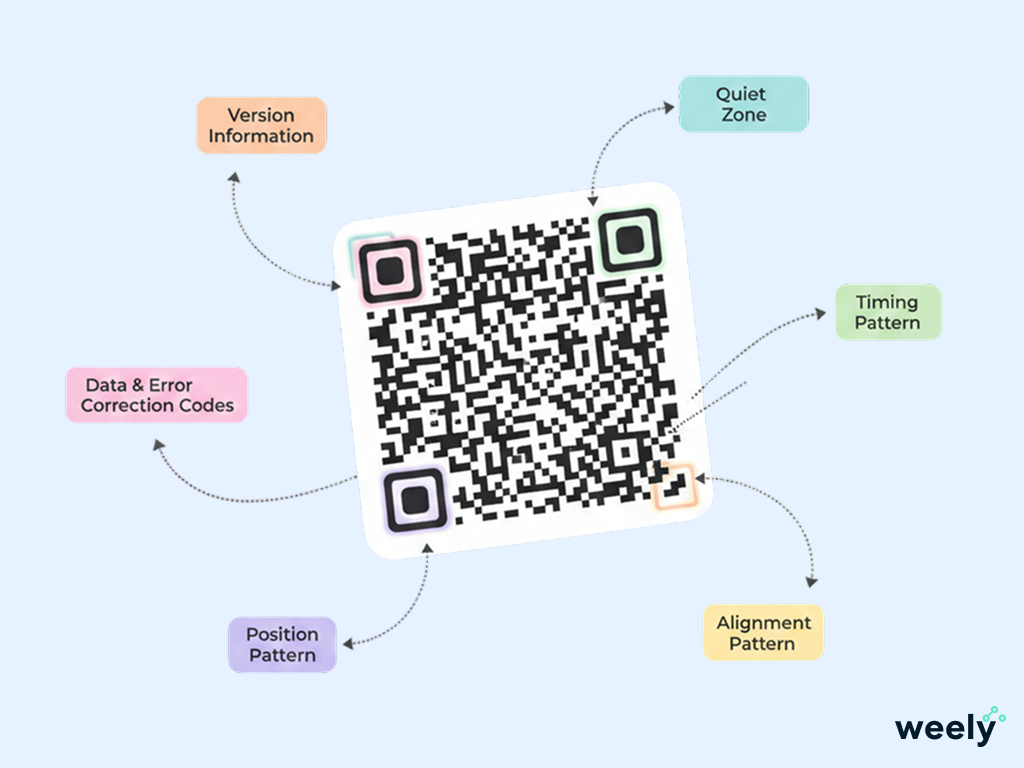
Understanding the QR Code Structure
The QR code is comprised of black squares (modules) that are arranged to form a square grid pattern against a white background. The QR code contains key components that include finder, alignment, timing patterns, and the quiet zone, which ensures that the QR codes can be scanned correctly by devices. The QR code structure supports multiple data formats while allowing a quick scan time.
How QR Code Scanning Works
The free QR code scanner scans the QR code and converts the differences in color (black and white modules) into the data that has been encoded into the QR code. Thanks to the advanced error correction features built into QR codes, they can be scanned regardless of whether up to 30% of the QR code is damaged, smudged, or altered visually. This reliability works for both static vs. dynamic QR codes, making it easy to get information whether the content of the QR code is fixed or changes often.
Types of QR Codes Explained
There are various types of QR codes that are made to do different things. Some only store text or URLs, while others can hold payment information, contact information, or Wi-Fi passwords. Picking the right type of QR code will make sure that your audience can quickly and easily get to the information you want them to see.
Static QR Codes:
Static QR codes will contain the same information as they did on the day they were created and therefore can’t be altered. Static QR codes will generally be used as a simple means of sharing information such as Wi-Fi passwords, contact information, or links to websites.
Dynamic QR Codes:
Dynamic QR codes have been created in such a way that they can have their content edited after being generated. Dynamic QR codes will also have additional features such as scan tracking capabilities, the ability to create analytical data, password protection, and short links to allow for easier use in marketing campaigns.
Real-World Uses of QR Code Technology
QR codes are used for many purposes (e.g., retail, hospitality, marketing, logistics, payment processing, health care, and education). Businesses use QR codes in digital business cards, digital menus, product packaging, event registrations, contactless payment, and collecting customer feedback. QR code generators are often used when businesses create their QR codes.
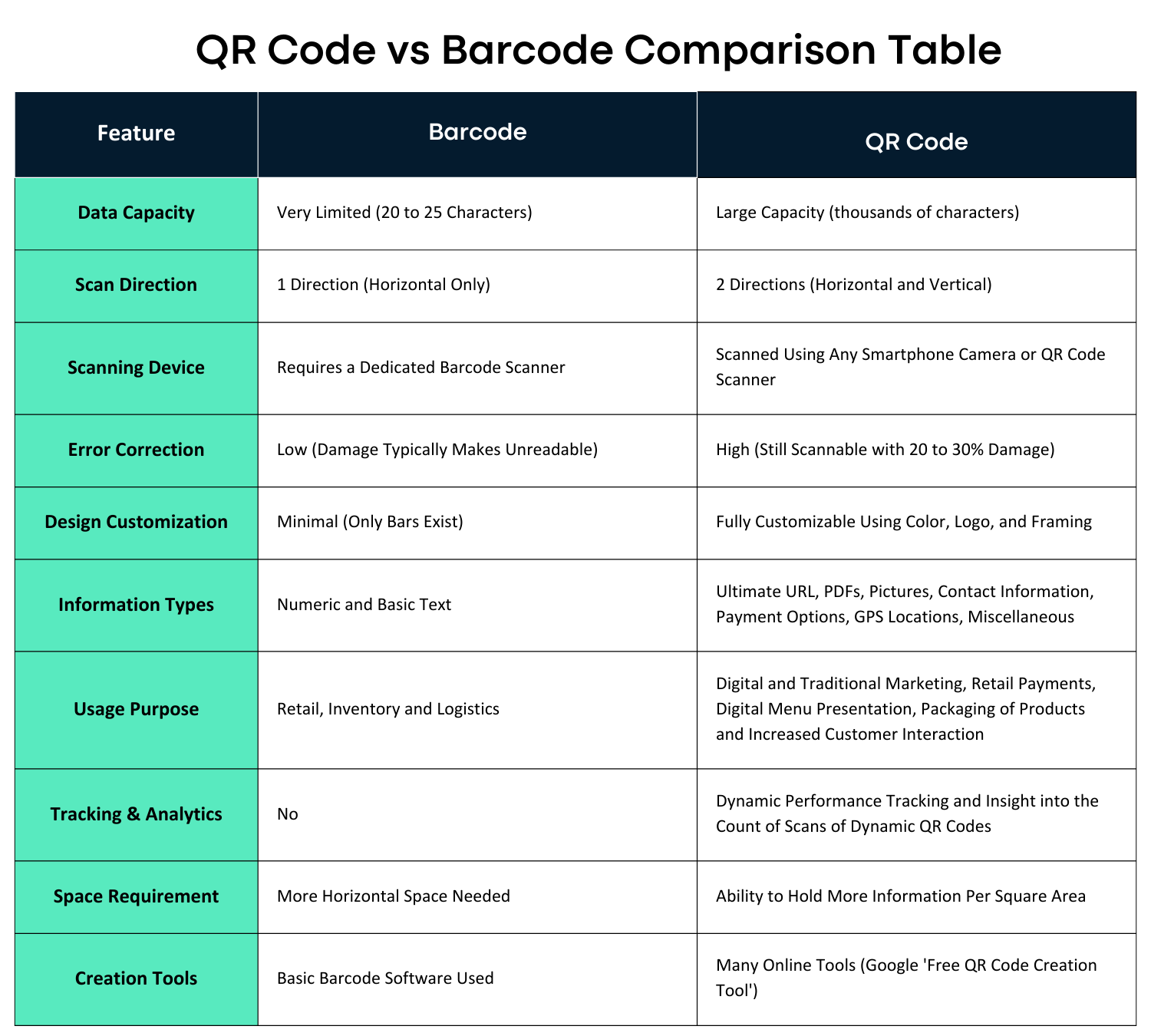
Key Differences Between QR Codes and Traditional Barcodes
QR codes and barcodes are two technologies that have similar functions, but the way they operate to accomplish those functions is very different. Barcodes have been used in retail and by warehouses to quickly scan and reliably track inventory for a long time; however, barcodes are limited to data that can be scanned from a single horizontal line. QR codes, however, have been designed with the digital world in mind; as such, QR codes can store a much larger volume of data (e.g., web addresses, payment information, marketing, etc.) than barcodes, and most smartphones are able to scan QR codes.
In addition to supporting visual customization, QR codes also provide businesses with access to trackable data analytics as well as error correction capabilities; therefore, businesses can use QR codes more flexibly for customer engagement and QR code marketing. Recognizing these key differences allows businesses to select the best solution based on each business's goals, whether those goals be simple product tracking or developing an interactive user experience.
Advantages of Using Barcodes
Barcodes are an important component of the management of businesses and continue to be effective, like QR codes, as technology advances. When comparing QR codes and barcodes, barcodes outperform QR codes with respect to accuracy, speed, and cost-effectiveness (especially in a high-volume environment like retail, logistics, and warehouse operations). Because of their ability to automate the data collection process and provide a real-time view of inventory levels, barcodes are a vital component of any efficient and reliable organization.
Core Benefits of Using Barcodes
- Improved accuracy: Barcodes are scanned and reduce human error when generating pricing, conducting inventory counts, and processing orders.
- Increased efficiency and speed: Barcode scanning provides a significant time advantage over manual input and allows for rapid checkouts, stocktaking, shipping, and receiving.
- Real-time inventory management: When a company uses barcodes, as soon as a product is delivered, its stock level is immediately updated, which allows the company to react to inventory shortages and also minimizes carrying costs associated with excess inventory.
- Cost savings: Barcodes decrease costs associated with errors and delays, and as such, can reduce labor costs and reduce the incidence of product waste.
- Enhanced supply chain visibility: Barcodes allow businesses to track products from point of manufacture to point of delivery with greater accuracy, thereby increasing transparency at each step of the QR Code vs Barcode supply chain.
- Better data collection: Barcodes enable businesses to obtain immediate and accurate data regarding their business operations that help them to make informed business decisions.
- Improved customer satisfaction: A company that can provide fast service at checkout and provide accurate fulfilled orders provides a much better experience for customers.
Advantages of Using QR Codes
QR codes have quickly become an invaluable part of many businesses because they are more versatile than traditional barcodes, and they provide greater functionality. QR codes are great marketing tools that allow businesses to create interactive experiences for customers through any mobile device equipped with a QR code scanner.
QR code generators allow a business to generate a QR code for any information they want, from product to promotion, menu to more, with the press of just one button!
Core Benefits of Using QR Codes
- High data capacity: QR codes can hold the equivalent of a URL, email address, picture, PDF file, GPS coordinates, or more - all far more than standard barcodes.
- Fast and easy mobile scanning: Any mobile phone equipped with a QR code scanner can scan and read a QR code immediately with no additional hardware needed.
- Customizable design options: QR codes can be personalized with colors, frames, and logos to promote your brand and market your business.
- Error correction and durability: Because of the error correction features built into QR codes, they continue to be readable even if partially damaged or soiled.
- Real-time tracking and analytics: Businesses can use dynamic QR codes to monitor the scan rates, determine the effectiveness of campaigns, and modify information on them at any time.
- Supports contactless experiences: They can easily be used for digital menus, online payments, event check-ins, and for accessing product information, etc.
Which Is Better for Your Business?
The answer depends on what your business requires and how both barcode and QR code technologies support your specific business model.
Barcodes are best for:
- Repetitive scanning very quickly and easily
- Point of Sale (POS) Systems, especially retail checkout
- Warehouse and Inventory Management systems
- Cost-effective, high-volume manufactured tracking of goods
QR codes are best for:
- Storing larger quantities, or more dynamic, information
- The ability of any mobile smartphone to scan a QR code quickly
- Engagement relating to the electronic marketing, packaging & customers
- Digital menu, payment options
- Analytics and trackable scans
Businesses now have access to many different types of QR code generator tools; many are free and allow for customization and tracking of QR codes used for a business's marketing, as well as tracking how customers engage with QR codes.
Best overall approach:
- Internal processes of business should utilize barcodes.
- External processes of business should utilize QR codes.
By combining both barcode and QR code solutions, businesses can deliver the fastest and simplest solutions to their customers while creating an experience that is more engaging across their entire business model.
Industries Using QR Codes vs Barcodes
Industries use either technology depending upon their industry type, and therefore the QR code vs barcode comparison is an important one for businesses. Whereas industries that require frequent rapid scanning tend to favor barcodes, QR codes allow for greater accessibility (i.e., mobile accessibility) and digital interaction.
Industries using barcodes:
- Retail: Pricing and checkout information
- Warehousing: Inventory and shipping information
- Manufacturing: Tracking parts, products, etc.
- Healthcare: Patient identification and medication labeling
Industries using QR Codes:
- Hospitality: Digital menu and ordering systems
- Marketing: Promotional campaigns, web links, etc.
- E-commerce: Product information, returns, etc.
- Events: Ticketing verification, check-in
- Payment: Contactless payment
The QR code vs barcode method isn't always one or the other in many fields. Most businesses employ both barcodes for internal efficiency and QR codes for customer contact and digital ease.
Future Trends in QR Codes vs Barcodes
Both QR code technology and barcode technology have a promising future, with QR code technology exhibiting rapid growth and barcode technology continuing to dominate the retail and logistics industries due to its speed and low cost for high-volume scanning. QR code technology is experiencing much greater growth than barcode technology as more and more companies transition from traditional retail environments to mobile experiences, contactless interactions, and digital marketing.
As more consumers purchase products using smartphones, smart packaging, and immediate access to real-time analytics, QR code technology will become increasingly important to businesses looking to engage their customers and provide product transparency. In many industry sectors, QR code vs barcode technology continues to evolve; nearly every industry direction will be towards maximization of both technologies to gain optimal efficiency and adaptability.
Conclusion
The comparison of QR codes vs barcodes is dependent upon the nature of your business needs; each technology provides different benefits. Barcodes are the best solution if you need a fast way to track products, because they are so accurate and inexpensive. QR codes provide a more versatile way to interact with customers digitally through mobile devices. In an increasingly digital world, the QR code vs barcode option typically ends up being using both – this allows a business to combine effective operational processes with engaging, interactive experiences for their customers.
FAQs About QR Code vs Barcode
What is the difference between a QR Code and a barcode?
The most significant distinction between barcodes and QR codes is their respective data capacity. Barcodes store less data and, therefore, lack the flexibility of a QR code which can store large amounts of information in a two-dimensional format. QR codes can hold greater amounts of data and are designed to be scanned by smartphones or other devices, making them perfect for digital links.
Which is better for business: QR Code or barcode?
Depending on the scenario barcodes are designed for retail and inventory purposes, where they can be quickly scanned. QR codes have been designed for use in marketing, customer engagement, and other mobile interactions, where it may be more efficient to use a QR code scanner.
Can I generate QR Codes for free?
QR codes can be created at no cost with any free QR code generator. Businesses may produce QR codes to display menu items, accept payments, send customers to their website, and place them on product labels.
Do QR Codes work on all smartphones?
Conduct business as usual using either a smartphone camera or any free QR code scanner app; QR codes can be scanned and accessed anywhere immediately, making them more user-friendly than traditional barcodes.
Can QR Codes replace barcodes completely?
Barcodes, while possessing fewer features and less flexibility when compared to QR codes, are critical to POS systems and fast scanning of inventory. Any business that sells items typically uses both barcodes and QR codes.