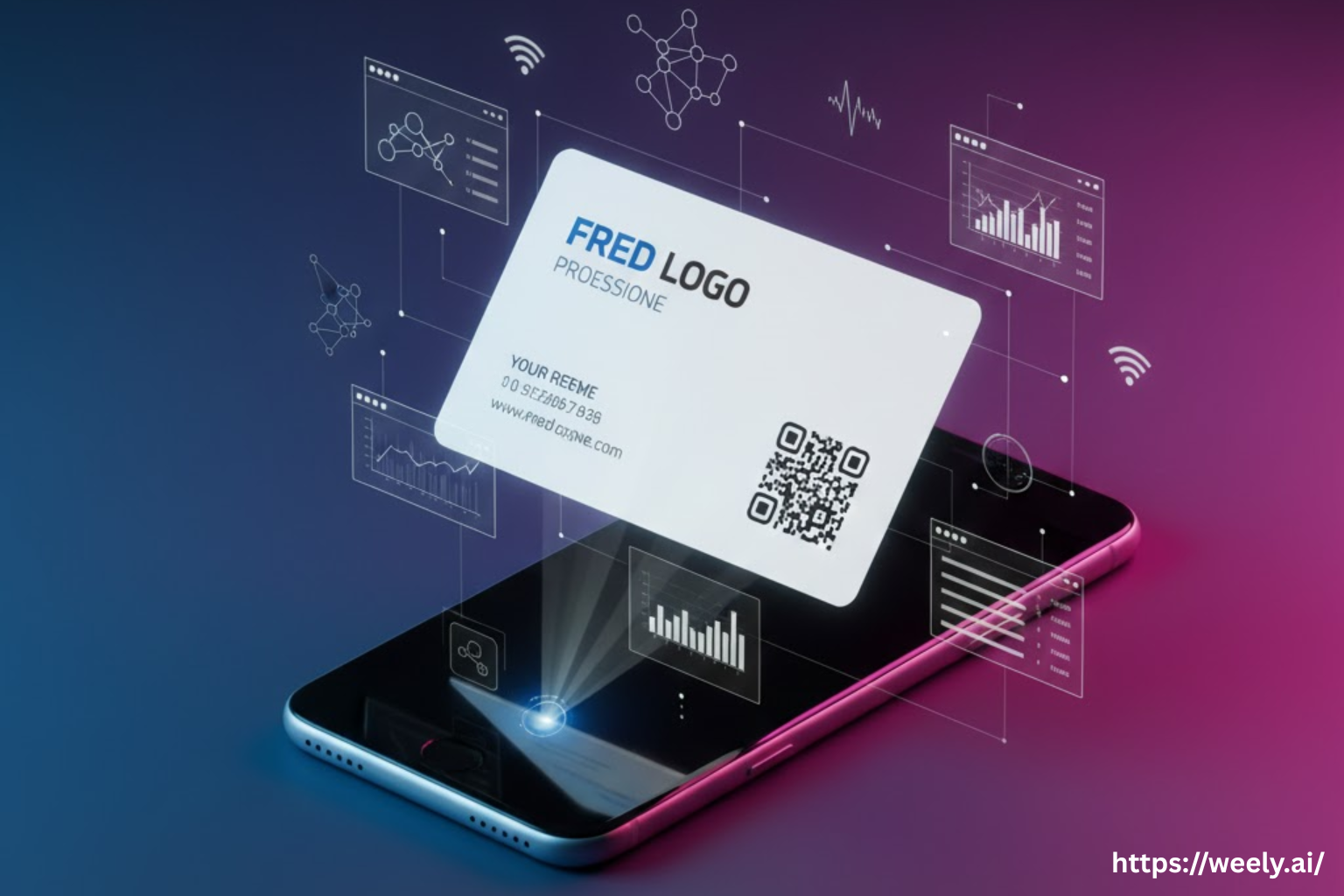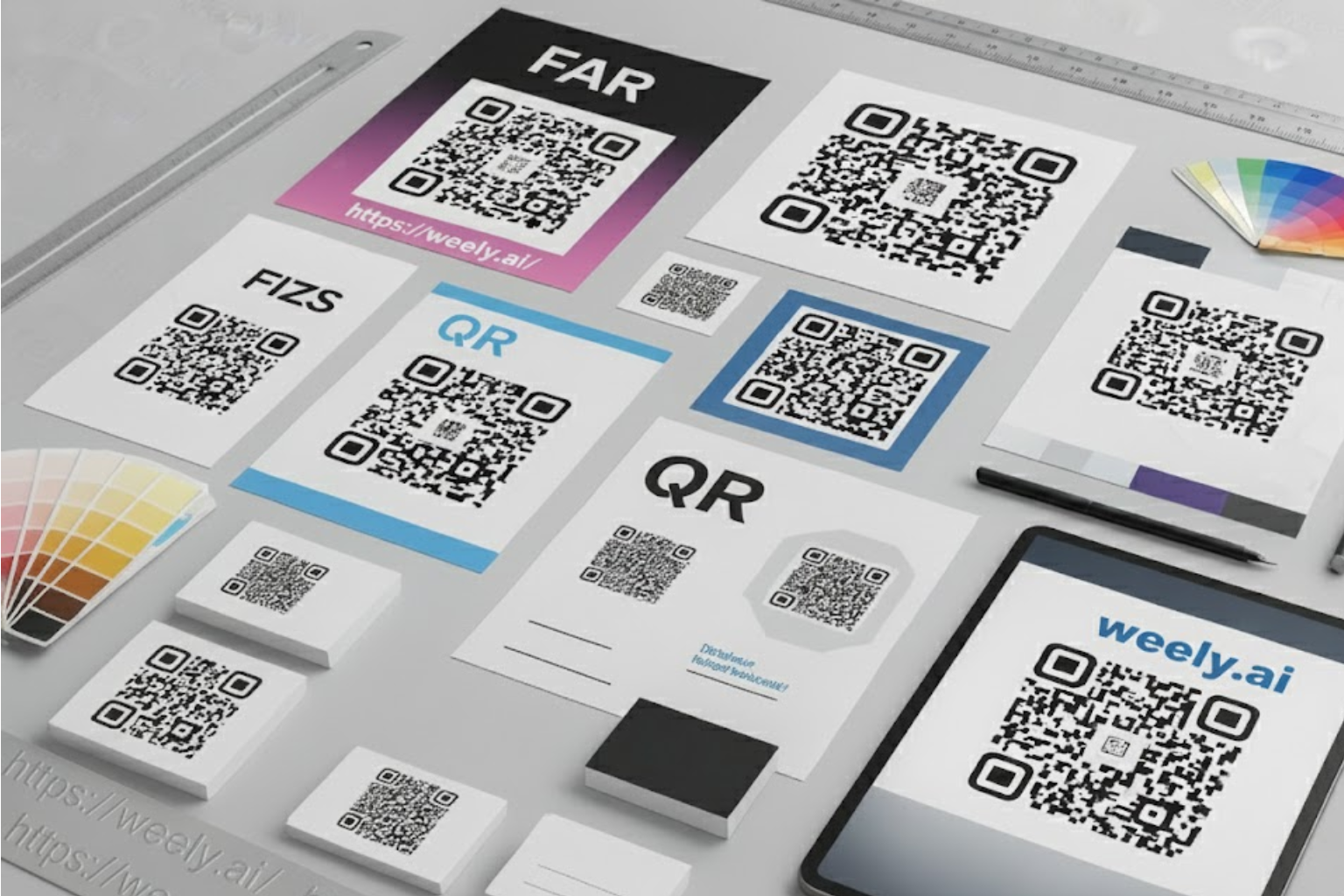

QR codes for event management are a powerful cost-effective way for modern planners to simplify ticketing, facilitate quick check-ins, and personalize engagement. QR codes have the ability to automate registration, control guest access, and capture real-time data – all while improving attendee satisfaction. This blog will help you learn how to implement QR codes for event management, the benefits of using QR codes as an event planner, and some unique QR code ideas for event engagement you can use before, during, and after your next event.
What Are QR Codes for Event Management?
QR codes (Quick Response codes) are scannable, two-dimensional barcodes that can store data, most typically a URL, event details, or contact information. When scanned on a smartphone, they seamlessly transition all participants to information about the event or to a digital access point, thus alleviating friction from the old way of conducting events.
Event planners use QR codes for:
- Digital tickets & registration
- Contactless check-in & access control
- Track sessions & collect feedback
- Attendee engagement & analytics
A Quick Refresher on QR Code Technology
Originally created for industrial purposes in the 1990s, QR codes had their moment in the sun for their usability and contact-free nature. QR codes in event management clip together the physical and digital experience from entry passes to custom schedules.
Why QR Codes Are Revolutionizing Event Management
By eliminating manual systems, QR codes assist event planners:
- Save time and spending
- Avoid long lines and paperwork
- Collect attendee information as they enter
- Build on brand engagement through mobile experience
Why Event Planners Should Use QR Codes
Today's attendees have higher expectations for personalization and convenience, and QR codes help event planners to deliver on both.
Streamlined Ticketing and Registration
With digital QR tickets, your attendees can register online and quickly receive an instant unique scannable pass. These:
- Reduces the risk of handling tickets manually
- Helps to eliminate duplication or counterfeiting of a ticket
- Allows you to confirm entry immediately
Planners can also adjust details related to the ticket on the fly, without needing to reprint. This is a great solution for larger events.
Faster and Contactless Check-Ins
Contactless check-in systems are not only efficient but also safe and have more speed and less delay. Collecting attendee information and tracking their attendance can all be done within scanning a QR code using tablets or phones.
Tip: Use multiple scanners at multiple doors to help maintain the flow of entry and avoid bottlenecks.
Enhanced Guest Experience and Engagement
Guests can scan codes for:
- Agendas, maps, or exhibitor booths
- Polls, games, or Q&As
- Digital content or presentations
- Connect instantly via a QR-enabled business card
Cost Efficiency and Sustainability Benefits
By going with QR codes, planners can:
- Save costs for printing and logistics
- Reduce paper
- Create a sustainable event brand
That’s good for your budget and the planet.
How QR Codes Work in Different Stages of Event Management
QR codes can improve all elements of an event’s lifecycle, from pre-event promotion, registration, attendee engagement, and post-event evaluation. When incorporated effectively, QR codes facilitate and support automated workflows, save time, and create a seamless experience for the attendee.
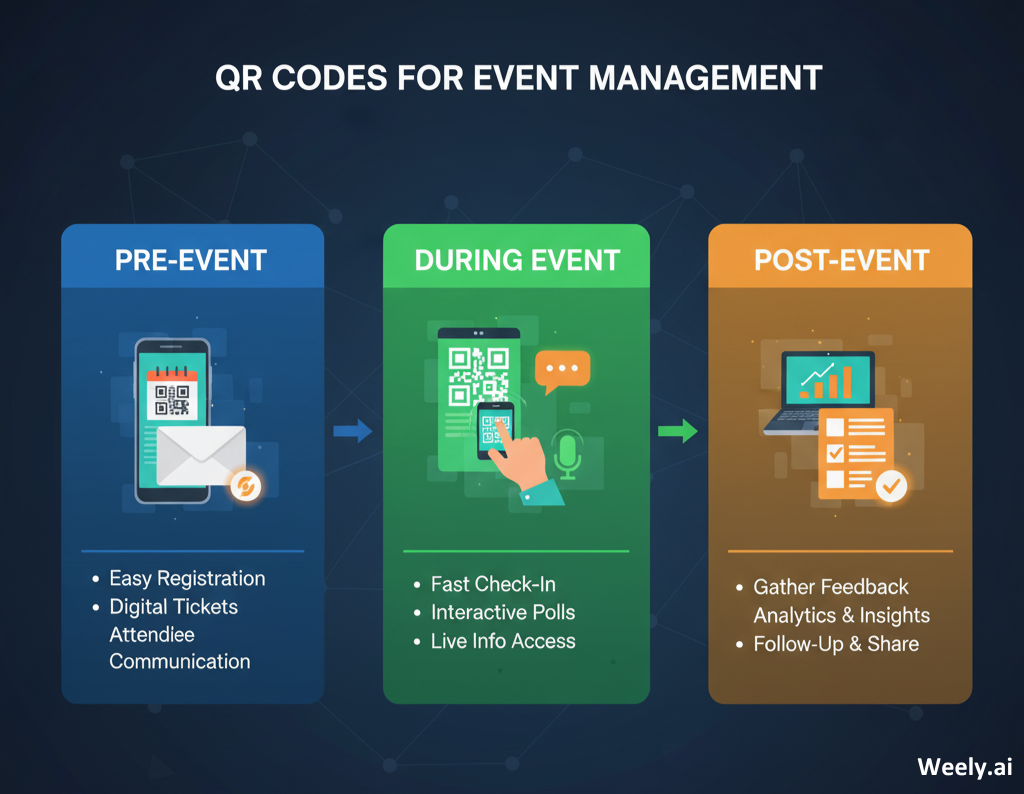
Before the Event – Digital Ticketing & Promotions
The first element of an event's success relies on awareness and registration, and QR codes can make this process rapid and measurable.
Add QR codes to:
- Emails and newsletters - To prompt a potential attendee to register with a single scan.
- Social media posts - To prompt RSVP or claim an exclusive access code.
- Posters and flyers - To connect offline consumers to your event website ticketing page.
- Online ads and via influencers - Link to limited time, exclusive offers or VIP registration.
Dynamic QR codes allow for displaying countdowns, live pricing, or promotional videos, all providing a high touch technological component to your marketing strategy.
During the Event – Check-Ins, Access Control & Networking
Once the session begins, QR codes become very useful digital tools for real-time attendee management engagement.
- Digital entry: Scan (with your mobile device) QR codes - You're good to go - no manual list checking.
- Access control: Assign QR codes with unique credentials to VIP areas, workshops, or staff-only spaces.
- Networking enhancement: Place QR codes on badges that will link to attendee profiles, LinkedIn pages, or company websites.
- Live content access: Attendees will instantly be able to see session content or product demos by scanning booths or a banner with a QR code.
You've leveraged an abundance of assets that create an inter-connected ecosystem - where every touch point (check ins, boother, session attendance) is tracked and can be reviewed later in order to measure ROI and increase engagement insights.
After the Event – Feedback, Surveys & Post-Event Marketing
Don’t let the connection to the audience fade away now that the event is over. Says (QR codes) will help maintain the engagement and curiosity while obtaining valuable feedback.
- Instant feedback: Hang QR codes by the exits or include them in follow-up emails linking to surveys or ratings.
- Session recordings & materials: Provide attendees the ability to instantly access slides, photo galleries, or recordings (or all three) via one QR code.
- Future events & loyalty programs: Send participants to your website to sign up for your membership list or order form for another event.
When to Implement QR Codes in Your Event Workflow
Knowing when to add QR Codes to your event workflow is just as crucial as knowing how to use them. The most successful ones baked QR workflows into their event planning from the onset.
Planning Phase: Designing Smart Registration Systems
During the planning phase, use event registration software with QR code integration such as Weely. This platform automate ticket issuing and syncing your registration data and create real-time verification during check-in.
Here’s what you should do:
- Issue unique QR tickets for every registrant.
- Sync your QR database with your CRM or Email marketing tool.
- Test the visibility of your QR options and scanning ability on multiple devices.
Execution Phase: On-Site Operations & Real-Time Scanning
Once on-site, attendees can check-in with QR Code tickets for a professional high-tech and no-touch experience.
- Self-check-in kiosks where attendees can scan their badges.
- Tablets or smart phones can be leveraged for checking attendees in by scanning badges.
- Live dashboards that will monitor attendance each day in real-time.
Such data can identify bottlenecks at the entrance, help you make staffing adjustments, and track the popularity of a session or workshop without anyone counting manually.
Post-Event Phase: Tracking Attendance & Analytics
Now that the event is done, QR code tracking and analytics become incredibly valuable. You can:
- Contrast registration percentages vs attendance rates.
- Determine your best content based on scan-ins.
- Monitor engagement based on time, device, or location.
- Measures Return on Investment for marketing pieces with scannable codes.
This information takes your next event to an even smarter and more personalized level and is one of the key benefits of QR codes for event planners.
Where You Can Use QR Codes for Maximum Engagement
QR codes are flexible and a true multi-tool for engagement. You can use them on digital and physical channels for easy connections with attendees, vendors and sponsors.
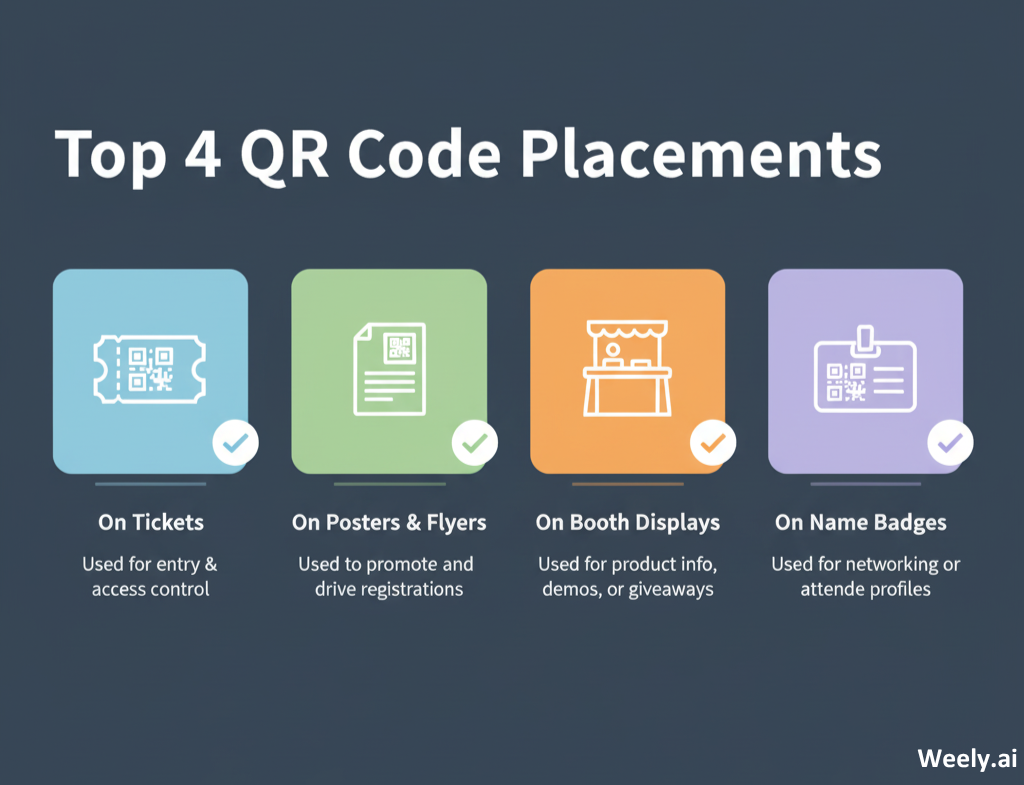
On Event Tickets and Badges
QR-coded tickets and name badges are no longer optional; they serve as the backbone of contactless event management.
Each QR badge can:
- Make entry and re-entry scanning easy.
- Store personal attendee information for networking purposes.
- Indicate that movement between event zones was tracked.
- Act as a digital business card easily shared through scanning.
Event organizers can use this information to better understand crowd movement, interest in popular zones, and overall engagement in the event.
On Marketing Materials (Posters, Social Media, Emails)
You can easily connect and market yourself to your audience both online and offline through QR codes:
- Posters or billboards - “Scan to register now”, “Scan to get discounts”.
- Email footers - Simple access to event map or schedule.
- Paid social campaigns - “Scan for exclusive access” or entries to live contests.
Now by adding a QR code to every marketing touch point you will make a completely frictionless path from awareness to registration, also with a measurable conversion trail.
On Booths, Banners, and Table Displays
At event expos or trade shows, exhibitors can:
- Ditch the paper brochures and instead replace it with a digital product catalog.
- Use a QR form for tour visitors to instantly enter their info so you can capture your visitors' data right away.
- Have gamified experiences or giveaways like “Scan to Spin”, “Scan to Win”.
All of these QR code ideas for engagement at events provide interaction and brands are capturing good qualified leads for lack of a better description with very low cost to facilitate whoever experiences them.
In Event Apps or Virtual Platforms
At hybrid and virtual events, QR codes are especially the glue connecting audiences across channels. Attendees can:
- Scan the QR code on the banner to join a live stream or breakout room.
- Access a live interactive poll or Q&A session.
- Redeem a digital reward or obtain their session's certificate directly from the QR code.
Implementing QR codes for hybrid events not only expands the types of participation at the event; it also keeps data centralized and reporting streamlined.
How to Create and Manage QR Codes for Your Events
QR codes are easy to create, but managing them wisely is essential for brand quality and scalability. Here’s how to do it correctly.
Choosing the Right QR Code Generator Tools
Select a platform that provides customization, analytics, and security. Weely would be a great option for building QR codes with rich features for events, including branded campaigns, editable codes, and live tracking.
It also supports bulk generation, meaning it is perfect for large events, such as conferences, where thousands of people will be using your QR code while ensuring consistency in design and analytics in every QR code you will print.
Customizing QR Codes with Branding
Your QR codes should communicate about your brand and be as recognizable as your logo. Include:
- Brand colors with and without logo.
- A short CTA such as “Scan for Check In,” “Scan for a Chance to Win,” or “Join Us Now!”
- Size consistency and placement for QR codes across all materials.
Well-branded QR codes demonstrate effort and professionalism and will allow for a greater number of people to scan them vs. not having branding.
Tracking Performance with Analytics
One of the best advantages of QR codes for the event planner is the benefit of real-time analytics they will provide event planner as documentation quantifiable metrics for a successful event. With the use of a dynamic QR code, you will be able to find out the following:
- Total number of scans during a session or location.
- Which type of devices scanned the QR code and when the scanning occurred.
- Engagement rate (i.e., number of scanned users who completed a form or registered).
Unlocking this level of understanding will help build confidence in marketing spend and audience experience.
Ensuring Security and Data Privacy
When managing data for attendees, security is essential. Here are a few ways to keep your QR strategy secure:
- Always make certain that your URLs are HTTPS-secured.
- Avoid using short links or public redirects that could be hijacked.
- Use strong passwords to secure access to your QR database.
- Always ensure all QR codes are verified before publishing to be authentic.
For sensitive events (corporate, medical, or educational), consider using password protection for access to your QR codes after users have been ID verified.
Common Mistakes to Avoid When Using QR Codes
Don't make these mistakes that will ruin your attendee experience:
Poor Placement or Low-Quality Printing
Place codes at eye level, with good light, and print at the highest resolution possible for scanning.
Linking to Irrelevant or Broken URLs
Always double check landing pages. Inoperative URLs can destroy credibility instantly.
Ignoring Mobile Optimization
Make sure all landing pages look good on mobile and load quickly - 90% of scans occur from a smartphone.
Not Testing QR Codes Before the Event
Test your QR codes prior to the event on various devices (iPhone, Android) and connections (Wi-Fi, 4G) ahead of time.
Future of QR Codes in Event Management
QR codes for event management are on the cutting edge of change with the ever-evolving technology and integration into event planning ecosystems. They were first a simple contactless solution, but have now transitioned into a gateway to smart, data-driven, personalized event experiences. Artificial intelligence, internet of things applications, and automation will develop in complementary ways, and QR codes will provide even greater sophistication in connecting event planners, managing logistics, and measuring engagement.
Integration with AI and Smart Devices
QR codes are increasingly collaborating with AI-driven event platforms to facilitate personalized agendas, recommendations, and interactions modeled on attendee data.
Personalization and Dynamic QR Codes
Dynamic codes can route the user based on time, location or profile allowing it to work as a live, real-time experience and never consuming resources by having to reprint the code.
Hybrid & Virtual Event Applications
In hybrid events - physical and virtual engagement - QR codes create common engagement.
- Scan to join a live stream.
- Scan to access speaker Q&A or downloadable engagement.
- Scan to connect in-person and remote engagement data seamlessly in one system.
Conclusion: Make Your Next Event Smarter with QR Codes
In the future of event management QR codes will create more intelligent and interactive experiences for participants. The QR code evolution has happened fairly quickly: moving beyond ticketing and check-in into managing personalized content, AI recommendations, and real-time engagement tracking to create a more efficient and friendly event atmosphere.
Dynamic QR codes will provide event and meeting planners the opportunity to quickly and easily update their schedule for all attendees, share content that is only for attendees, and engage speaker sessions quickly and easily for in-person and virtual audiences. QR codes will often be the bridge between platforms in a hybrid event experience, while the underlying analytics will help planners measure participation and enhance experiences. Ultimately, QR codes will represent useful tools for data-driven, secure, and engaging events.
Frequently Asked Questions
How do QR codes improve event registration?
Event registration is quickened when the conference attendees register online, and then receive a unique QR code via email or application. When attendees arrive at the conference, all they need to do is present their QR code for scanning, which allows for a quick check-in process and reduces lines and administrative work.
Can QR codes be used for event ticketing?
Indeed, QR codes have become a common method of event ticketing. Attendees receive a digital ticket of admission with a unique QR code, which can then be scanned at the entrance gate as a form of access control. The codes facilitate entry into the premises by improving security and operational efficiency.
What are the benefits of using QR codes during events?
Moreover, QR codes make check-ins less touch-dependent, provide an immediate link to the online event schedule and material, allow for real-time updates, and improve audience engagement through polling and survey features.
How can QR codes enhance post-event engagement?
Finally, after the event has ended, QR codes can link attendees to a survey feed, to thank you content, or to promotional material. Attendees will be able to provide feedback to the organizers, stay engaged with the attending brands, and/or allow the brands to promote and market their future events.
Are QR codes secure for event management?
QR codes are safe when executed correctly. It is important to use encrypted URLs, verify that the code leads to a trusted website, and educate attendees about what they should know to ensure they only scan authentic QR codes and alleviate security risks.
How do dynamic QR codes differ from static ones in events?
Dynamic QR Codes are advantageous for the event organizers because they simply change the content link assigned to that specific QR code. Dynamic QR Codes are great for event managers because if there are any real-time schedule changes or updates on sessions to redirect ambassadors to, this is most easily done during the event with a dynamic QR code.
Can QR codes be used in hybrid events?
Definitely. In hybrid events, QR codes connect to the physical environment and provide connectivity for everyone attending, whether they are in the room or online, to various online sessions, digital content, and interactive features that allow for all participants' levels of experience.