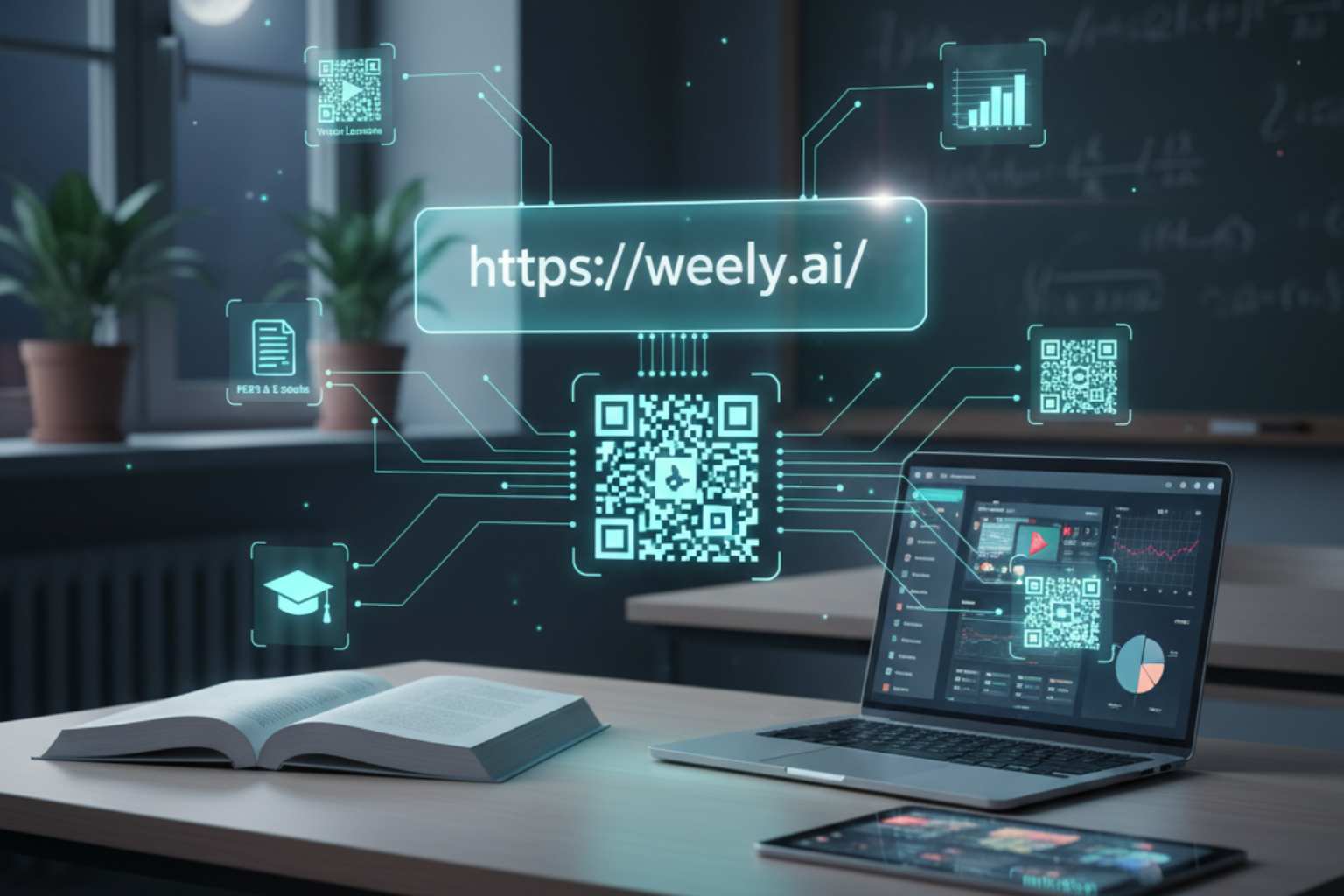
Technology is still changing how teachers teach and how students learn. QR Codes in Education are one of the many new ideas that are starting to become popular. They are simple but effective tools that connect actual classrooms with digital resources. QR codes can change the way students study and professors educate by making information available right away. Teachers that are looking into how to use QR codes in the classroom are coming up with unique ways to get students more involved, make learning more personal, and make classroom activities go more smoothly.
What Are QR Codes and How Do They Work?
QR codes (Quick Response codes) are two-dimensional barcodes that you can scan with a smartphone, tablet, or even a laptop camera. In the comparison of QR Code vs Barcode, QR codes can hold more information than regular barcodes. For example, they can hold website URLs, text, movies, PDFs, and more.
Scanning a QR code takes students and teachers immediately to the information they want without having to punch in a site URL or search for it. This makes them especially beneficial in schools, where being able to quickly and easily get to information can save a lot of time in the classroom.
Key Features of QR Codes
- Versatile Storage – It can hold text, URLs, multimedia and files.
- Ease of Use – You need a smartphone with a camera and a QR scanner app (or a camera built in).
- Fast Access – Scanning a QR code takes a matter of seconds, so you are not wasting a lot of time trying to find it.
- Cost-Effective – Teachers can make as many QR codes as they like with free QR code generators, and they don't have to pay anything more.
- Customizable – You can change the colors, logos, or labels on the codes to match your school's branding.
Schools can use QR codes to make it easier for people to talk to each other, share learning materials right away, and make the classroom more engaging. By adding them to lessons and other materials, teachers help students get knowledge faster and more interestedly.
Why QR Codes in Education Are Transforming Learning
The modern classroom is becoming a mix of physical and digital instruments. At the heart of this change in education are QR codes, which make it easy to access information, get people involved, and support flexible learning by connecting QR codes for print to digital. QR codes help both teachers and students learn by making it easier for them to get information.
Reasons QR Codes Are Revolutionizing Learning
- Seamless Integration with Digital Tools – QR codes enable linking textbooks, worksheets, and posters with innovative videos, articles, or interactive simulations online.
- Supports Hybrid & Remote Learning – The use of QR codes is a natural fit for schools that are trying to balance in-person experiences with online teaching, as students can access the codes at any time, from anywhere.
- Encourages Active Participation – By utilizing QR codes during the lessons, they can encourage students to no longer be passive listeners rather, they are active participants.
- Promotes Collaboration – Teachers can set up group projects or activities where students scan codes to go to shared resources or team challenges.
- Saves Time in Class – A single QR code leads students to the relevant resource in seconds instead of having to write down extensive links on the board.
- Increases Accessibility – Students with different learning requirements can access the same content in different ways, such as audio, video, and text.
- Eco-Friendly Learning – QR codes help make classrooms paperless by making it less necessary to print out handouts.
- Cost-Effective Technology – Technology that doesn't cost a lot there are free or low-cost QR code generators that make this technology available to any school.
Real Classroom Impact
- A teacher prints off QR codes that link to videos of science experiments that their students can watch in class as they prepare to do the experiments on their own.
- History teachers have used QR codes to take their students on virtual tours of museums, rather than just reading about past events.
- Schools have posted QR codes on bulletin boards, so anyone wanting to know what's going on in the school can scan the code and instantly be linked to event schedules, exam schedules, or links to communicate with their child's teacher.
- QR Codes not only get rid of the maze of traditional teaching but they also have the ability to transform teaching and learning. QR codes are not a passing fad; they could help take teaching into the 21st century.
Key Benefits of QR Codes in Education
There are many benefits to educators and students using QR Codes in Education. QR codes allow easy access to digital resources, decrease friction in the classroom, and encourage creative interaction. QR codes are versatile and economical, whether linking directly to assignments or communicating with parents, or accommodating the varying local reality of school. Either way, QR Codes is a modern way to support teaching and learning in the classroom.
1. Instant Access to Resources
Students can scan a code to launch videos, webpages, homework, or practice problems, which makes studying quick and easy.
2. Increased Engagement
When students engage in interactive QR code activities such as games and quizzes, learning is not only active, it becomes fun.
3. Personalized Learning
Depending on the learning style or skill set of the student, teachers can combine various QR codes to create opportunities for differentiated instruction with the resource.
4. Paperless Classrooms
Using QR codes instead of paper handouts helps reduce printing costs and is especially attractive to ecofriendly practices.
5. Improved Communication
QR codes can allow teachers to communicate assignments and updates in newsletters or posters increasing teacher-parent communication in education.
6. Support for Diverse Needs
QR codes can help students locate homework support, project resources, or tools for studying independently, supporting all learners.
How to Use QR Codes in the Classroom
QR codes are multi-functional tools that have the ability to make everyday classroom lessons interactive and fun. By linking printed material to digital content, teachers can provide students with instant access to resources, create tangible activities, and facilitate communication for the entire class, all of which promote learning independently and digitally.
Access Course Content
- Syllabus & Handouts: By placing QR codes within your syllabus or in your slide presentations or handouts, teachers can provide direct access to additional readings, videos, or Internet links, providing students with a “one stop shop” for class resources.
- Multimedia Lessons: By inserting QR codes in lesson presentations, a teacher can link to videos, animations, or interactive simulations that relate to the content of the lesson.
Create Interactive Learning Experiences
- Scavenger Hunts: Place QR codes throughout the classroom or around the school. Each QR code will build upon the last with a clue to the next location or objectives to complete before moving on to the next code. Students will be engaged in problem-solving as they complete the scavenger hunt.
- Interactive Stations: Create stations around the room with the use of QR codes that link to video, image, or game sites to reinforce lesson content and assess knowledge.
Provide Study Resources
- Digital Notes: Create QR codes that link to downloadable digital notes, vocabulary lists, grammar resources, or pronunciation tools to allow students to review class materials when they want, online.
- Study Guides: Provide QR codes that link to study guides or exemplars of study tasks for all students.
Streamline Communication
- Surveys & Feedback: Utilize QR codes to connect to online surveys or questionnaires, which will make it easy to gather feedback from students and parents.
- Event Information: Distribute QR codes that direct participants to digital fact sheets for school events, parent-teacher conferences, or for school-related activities.
Enhance Technical Skills
- Digital Resumes & Portfolios: Have high school students custom qr code design on their resumes linking them to professional websites, portfolios or project exhibits; this makes their applications interactive and innovative.
Best Practices for Implementing QR Codes in Schools
Teachers should plan how to introduce QR codes in schools, explain what they are for, and show kids how to scan them. If you use QR codes correctly, they will help students learn without making things more complicated.
- Ensure Access – Make sure that all kids have devices that can scan QR codes.
- Give Clear Instructions – Provide the directions underneath each code.
- Test Links – Validate that QR codes function correctly at all times.
- Use Dynamic Codes – If you need to make changes without changing the QR code.
- Avoid Overuse – Quality over quantity is more valued.
- Protect Privacy – Never link personal or private information.
- Supplement Teaching – Codes should be used as good companions to formal instruction.
- Monitor Engagement – You can gauge student interest with scan markers.
- Smart Placement – Always ensure QR codes can be scanned easily.
The Future of QR Codes in Education
QR codes are changing education at all levels, from schools and colleges to online classes and job training. They give you quick access to information, let you learn in your own way, and make lessons fun and interactive. QR codes let teachers make interactive lessons that help students learn and get involved. For example, they can use augmented reality and gamified information.
QR codes will probably play an important role in professional development (PD), digital micro-credentials, virtual labs, and continuing education. QR codes are a way to bridge the physical and digital divide in learning and broaden access, connection, and collaboration for all learners.
Conclusion: Embracing Smarter Classrooms
QR Codes in education are an inexpensive, cost-effective, and remarkably flexible resource for the modern classroom. QR codes can provide problems with immediate access to resources, QR codes can be used in other ways for interactive activities in the classroom, and QR codes may provide engaged and enhanced communication and use of teaching time. By using QR codes properly and setting them up and managing them in good ways, schools can also regard QR codes as an opportunity to make schools a smarter, greener, and more connected place to learn.
FAQs: QR Codes in Education
How can QR codes in education enhance student engagement and interactive learning?
With QR codes, students can easily view multimedia resources, take quizzes, review digital notes, or take virtual tours. QR codes foster a more interactive lesson, personalize learning, support multiple learning preferences, and inspire a more active learning!
What are the best ways to use QR codes in classrooms and online learning?
Educators can develop QR codes that can link to learning resources, including scavenger hunts, digital assignments, study guides, interactive stations, and virtual "labs." QR codes function in schools, universities, and hybrid learning environments.
How do QR codes support personalized learning in education?
Additionally, educators can utilize QR codes to link to different resources for students based on skill levels or learning preferences. This is a way to provide students a personalized learning path for a student who is a visual learner, auditory learner, or kinesthetic learner.
What are the key benefits of using QR codes for teachers, students, and parents?
QR codes provide immediate access to learning materials, decrease paper usage, increase communication, save time in the classroom, and increase student engagement no matter the level of education.
How can QR codes improve communication between teachers and parents?
Teachers can share QR codes for digital newsletters, homework notifications, event timelines, or surveys to allow parents to access vital classroom information easily.
What are the challenges and limitations of using QR codes in education?
Some of the problems include that devices aren't always easy to get to, the internet is required, too much use can cause confusion, links might be out of date, and privacy must be protected when linking to sensitive data.
How will QR codes shape the future of education in schools, universities, and online learning?
In hybrid and remote learning, QR codes will increase accessibility to virtual labs and resources, support gamified learning, promote interactive and personalized learning experiences, and provide efficient educational opportunities across levels.