QR codes in real estate marketing are altering the way agents link tangible property to digital experiences. Whether it’s a yard sign or an open house, it allows buyers to quickly access a virtual tour, listing, and agent information. For the go-getter agents, buying real estate marketing QR code software or ordering custom QR codes for real estate signs has fast become a necessity.
In this competitive landscape, QR codes are an affordable, interactive, and updated marketing approach. Agents will also benefit from the analytic tracking of QR codes which allows them to track QR code scans, engagement, and locations.
The Evolution of Real Estate Marketing
The real estate industry has evolved tremendously in marketing, from using just physical forms of marketing to integrating offline and online marketing. To ensure your QR Code marketing strategy meets the needs of the tech-savvy buyer while tracking the campaigns success, layering digital forms of marketing into your traditional marketing is the new standard. QR codes in real estate marketing serve as a conduit that links the traditional marketing of the property to the digital world.
Traditional Methods: Print Signs, Flyers, and Open Houses
Before digital marketing tools became mainstream, traditional marketing methods like printed marketing material and in-person events were relied upon heavily in real estate marketing. While these methods were sometimes effective, they lacked tracking and immediacy, which did not allow agents to be able to measure the success of their campaigns.
- Yard signs and flyers as a primary marketing instrument
- Open houses for a chance to work with potential buyers
- Inability to track leads
Challenges of Physical Marketing in the Digital Age
Physical marketing materials are often static and only slightly interactive. Buyers may or may not remember to reach out regarding a listing, and agents can't see who is interested in a listing. While physical marketing materials may reach the consumers of a new generation, QR codes have begun appearing regularly in real estate marketing for those who may prefer digital marketing material but still want a physical visual, either inside or outside a property.
- Difficulty capturing prospects
- Limited analytics and tracking
- Not as engaging as the digital alternatives
What Are QR Codes in Real Estate Marketing?
QR codes help realtors to combine the offline marketing process with digital property information that buyers can interact with in an easy and seamless manner. Realtors can capitalize on a buyer's interest, track the buyer engagement and access to listings, and ultimately improve lead generation and sales.
What Are QR Codes?
QR codes are scannable codes that can connect your physical marketing materials to digital content. Realtors can use them to direct potential buyers to property listings, virtual tours, or a way to contact the agent in an instant.
- Scan with any smartphone
- Direct users to mobile-optimized landing pages
- Connect offline marketing materials to online content
Why QR Codes Are a Game-Changer for Real Estate
By utilizing QR codes for property listings, agents can ultimately improve buyer engagement with the properties and ultimately generate more qualified leads. QR codes will take a regular sign, flyer, or business card and turn it into an interactive avenue of marketing.
- Access instant property information
- Enhance engagement with immersive content
- Improve lead capture and follow-up time and processes
Benefits of Using QR Codes in Real Estate Marketing
Use of QR codes in real estate marketing provides several beneficial aspects, such as improving buyer experience, to advance lead tracking. These codes provide agents with an instantaneous mechanism to share property information while capturing engagement data.
Enhanced Engagement and Efficiency
QR codes remove the friction of manual online searches while providing an interactive experience for potential buyers.
Instant access to information: Submit information simply by scanning a yard sign to access all property details, QR Code photos sharing, and pricing.
- Immersive virtual tours: Access to a 360 video tour, or video walkthrough, to assist with visualizing the property.
- Reduce paper waste: You can distribute floor plans and brochures electronically.
- Simplify open houses: Digital sign in instead of a paper sign in.
- Streamline contact sharing: vCard QR codes put the agent info in their phone in seconds.
Improved Lead Generation and Tracking
Dynamic QR codes help the agent track engagement, optimize engagement marketing, and convert interested buyers into sales.
- Measure marketing effectiveness: Monitor the number of scans, locations, and properties they visited.
- Turn materials into lead capture tools: Integrate QR codes with CRM for automated e-mail, automated reminders, or automated survey responses.
- Automated follow-ups: Activate timely emails, reminders, or surveys with CRM integration.
Versatile and Modern Promotion
QR codes can be utilized across several different channels, thereby giving the buyers the ability to access information via the various channels.
- Cross-channel promotion: Yard signs, flyers, email signatures, social media, and online listings.
- Easy directions: Link QR codes to Google Maps to take the consumer right to the property.
- Dynamic content updates: Change linked content without having to create a new code to get to new content.
- Enhance brand image: Fully customize that QR code with logos and colors.
How to Optimize QR Code Use for Real Estate Marketing
QR codes can improve your ability to engage audiences quickly, enhance engagement, enhance the agent's brand, and track marketing success through strategy, placement, and memorable content. When used successfully, these tools are nice assets in real estate marketing.
Clear Call-to-Action (CTA)
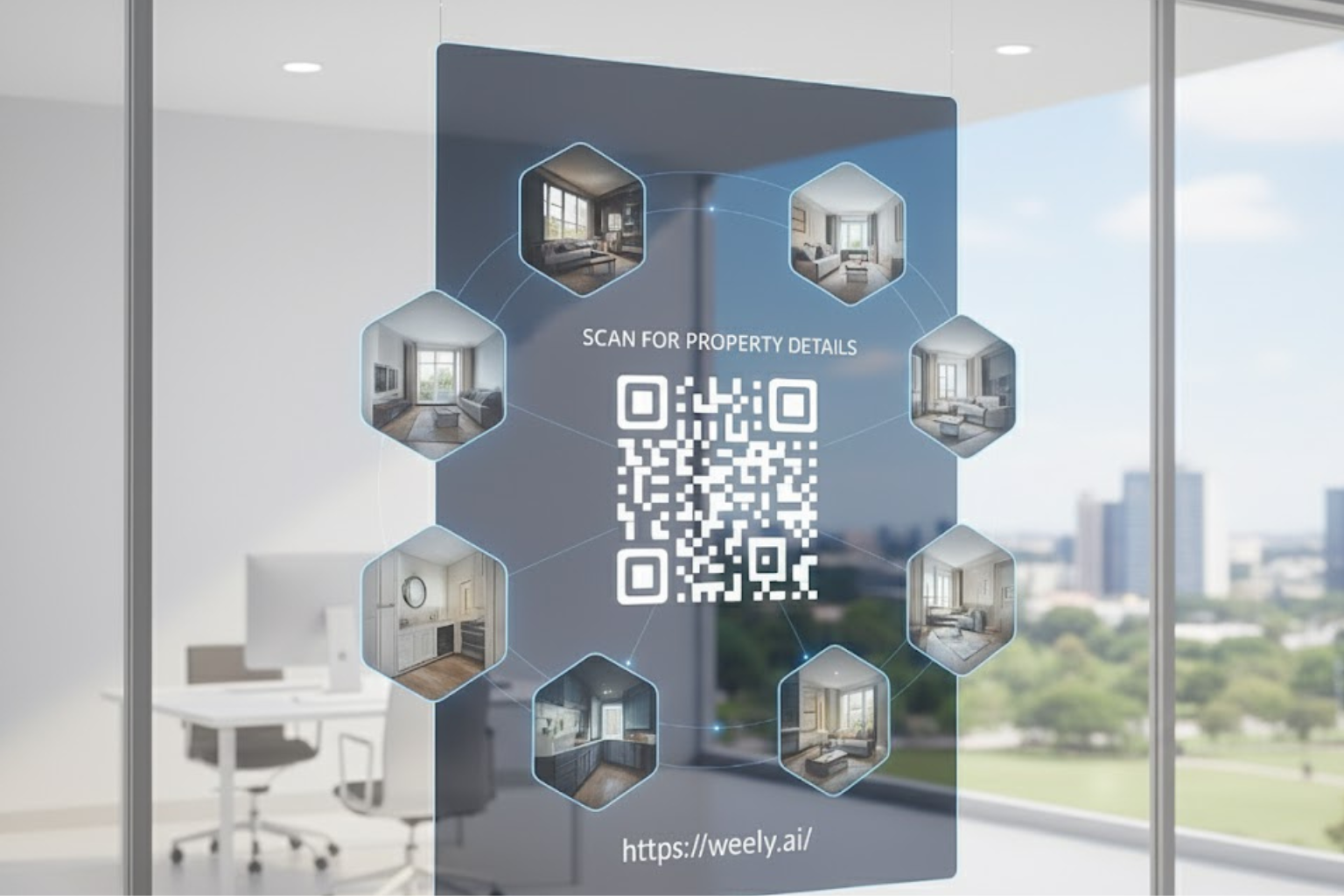
You should always have text for the user of the QR code to know what the question might explain before they scan it.
- Example: "Scan for Virtual Tour", "Scan QR for Listing Details"
- This guides users to engage around the CTA and should theoretically improve the user attempting to scan it.
High-Visibility Placement
When placing QR codes on a document or sign, they should be in a place that users can see easily and scan easily.
- Place QR codes in a high visibility area on yard signs, car magnets, flyers, brochures, or even billboards.
- You should also place QR codes on postcards or open house announcements that encourage offline to online bridging.
Dynamic Content & User Experience
It is important to have QR codes that provide up-to-date information, valuable assistance, or a seamless user experience.
- Dynamic QR codes: QR codes for you can update the link without having to replace the QR code.
- Valuable content: Virtual tours, high-quality galleries, agent profiles, or booking pages.
- Short URLs: Shorter URL or a link shortening page will make scanning the QR code easier.
Branding & Analytics Tracking
Providing customized QR codes and tracking the success of QR codes appeals to marketer’s higher experience, with effective marketing in mind.
- Branded design: Logos, brand colors, or custom patterns on a QR.
- Track analytics: Their scan frequency, scan locations, or the device they scanned it with is useful information to know over time.
- Lead generation: Provide an engagement page that records sign-ups, and links to registration or direct forms, to chat with the agent.
What’s Next for Real Estate Marketing in a Post-QR Code World?
The future of real estate marketing goes beyond static QR codes to include VR/AR, AI, and data-driven customization to provide buyers the immersive, seamless experience they want.
Immersive Technology: VR & AR Tours
For instance, VR and AR will allow a buyer to walk through a property from anywhere in the world. These will allow for much richer buyer experiences than just photos or static video shots.
- Virtual tours of properties from anywhere
- Enhanced buyer visualization of property
AI and Automation
Utilizing chatbots and automated messaging can speed response times from agents to manage leads.
- AI chatbots for instant questions and booking cycles
- Automated message and email sequencing and follow-ups
Content Marketing & Personalization
Utilizing high-quality images, insights on the local market as well as specific neighborhood guidance, can effectively position the agent as a local market expert.
- Short videos for social media channels
- Customized content based on buyer's interests
Social Media Engagement
Targeted advertising and community building, which increase your reach and trust
- Paid ads to convert passive users into leads
- Engaging with buyers on Instagram, Facebook, and LinkedIn
Data-Driven Strategies
Data analytics from QR codes or campaigns can effectively optimize your marketing spend and strategy.
- Data analytics from campaigns, etc., to track which were most effective
- Using data or participation to build a more personalized buyer experience
Conclusion: Embracing QR Codes for a Modern Real Estate Strategy
Utilizing QR codes for marketing effectively connects offline and online activities, enhances lead generation, and creates a more engaging experience for buyers. QR code links or scans can take customers anywhere from virtual tours to automated follow-ups, allowing agents to modernize their marketing approach while staying relevant and competitive in their markets. Having QR code software or customized QR codes on real estate signages is beneficial to agents looking to thrive in a digital-centric business model.
Frequently Asked Questions (FAQs)
What are QR codes in real estate marketing?
QR codes are scannable codes that are placed on print marketing materials (yard signs, flyers, business cards, etc.) that link to information about a property in a digital format (listings, virtual tours, contact forms, or agent profiles).
How do QR codes improve real estate lead generation?
By transitioning engagement from offline interactions to digital engagement, QR codes can also send a passer-by to a lead capture form, a virtual tour, or a listing page. Agents can track their scan metrics and follow up with interested parties, and transforms any physical sign into a proactive lead tool.
Can I track how many individuals scan my QR codes?
Absolutely, You’ll get all the analytics you need with dynamic QR codes, including scan count, either geotag (i.e. location) and time of scan, and even devise type - helping you evaluate which properties or marketing locations are generating the greatest interest.
What’s the difference between static and dynamic QR codes for real estate use?
- Static QR codes: The content they direct to is permanent (it cannot be changed later).
- Dynamic QR codes: The URL or content can be changed over time without changing the QR code and can track and analyze results.
Where should I place QR codes on my real estate marketing materials?
Put them in well-placed places of visibility, such as yard signs, flyers, brochures, open house boards, car magnets, or posters. When you use QR codes from commercial centers, always have a clear CTA of some sort, such as "Scan for Virtual Tour" or "Scan for Listing Details."
What content should a QR code link to in real estate marketing?
Good content includes:
- Virtual tours (360 or video)
- Photo galleries and floor plans
- Detailed property listings with pricing, specs
- Agent contact / vCard
- Scheduling or appointment booking
- Neighborhood or amenity information
Do QR codes ever expire?
Static QR codes do not have an expiration date, as long as the page they are pointing to is active. Dynamic QR codes can have expiration dates at times, depending on the provider (some providers will allow you to set expiration dates).
Are QR codes safe for real estate marketing?
Yes, if the QR code is created through a reliable QR code provider, they are generally safe. In protecting the user, don't link the QR code to an unknown website or any unsecured website. Using HTTPS links is definitely a plus, especially when adding your branding, agency name, or logo. I suggest providing branding information that would build trust and reduce mailers' fears of phishing.
How do branded/custom QR codes affect scanning and conversion?
Personalized QR codes (with logos, brand coloring) can increase trust and represent your brand well, but be sure to test that they scan reliably. Don't get too wild with your styling, as it may interfere with the code's scannability. Use error correction and test the code on various devices.
Can I change the content linked to a QR code after printing real estate signs?
Yes, but only if you're using a dynamic QR code; you can update your destination URL for the QR code without altering the actual physical code. It's perfect for real estate signs, as you can use the QR code on the sign and change out the linking for the listing or virtual tour or link for a contact form without the need to reprint. It saves time and marketing costs.