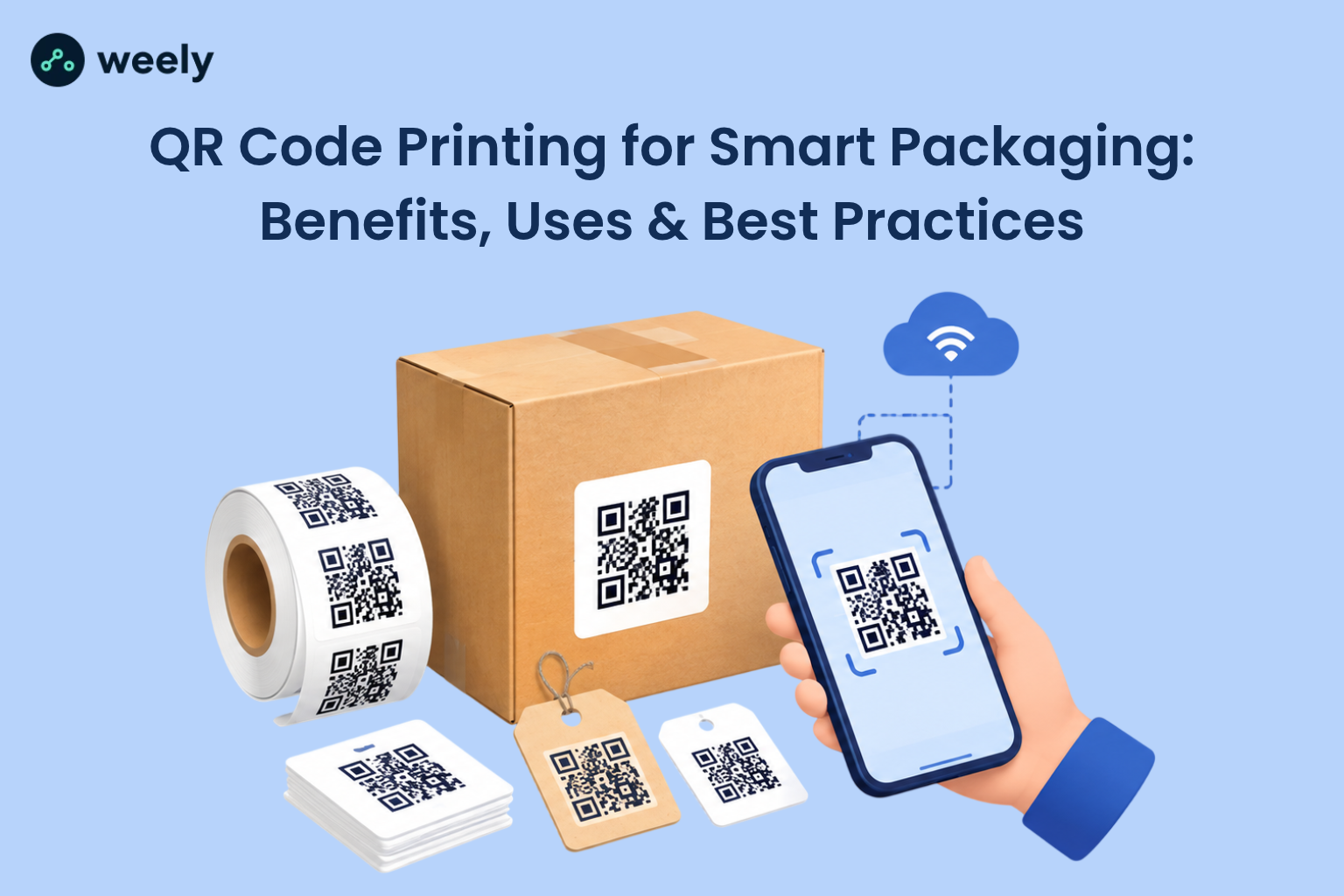
In a time of increased potential for using your QR codes, modern brands also have a way to connect their offline print marketing in a way that links to the online digital experience of their brand. Whether it is a magazine, billboard, packaging, business card, or any form of print and real-world advertising, QR codes in marketing provide brands with an uninterrupted and measurable engagement opportunity. This blog will explore the intersection of digital marketing and print marketing, detailing what QR codes are in marketing, their benefits, how brands can use them, and providing real-world examples of print marketing that incorporates QR codes effectively blending print and digital marketing for interactive brand experiences.
What Are QR Codes in Marketing?
QR Codes (Quick Response codes) are two-dimensional bar codes that any smartphone can scan to instantly view digital media from web pages and videos to vouchers and contact information. QR codes are a compelling link between the physical and digital worlds; they allow the usage of print ads, brochures, posters, and packaging to become interactive. QR codes transform print media into interactive experiences, allowing brands to drive more engagement by connecting a physical product to digital information.
How QR Codes Integrate Print and Digital Marketing
Previously, print and digital marketing existed in isolation. Print marketing shares visual information in a physical format, while digital marketing focuses on interactivity and analytics. QR codes transform print media into a doorway, a bridge from offline media to digital content. In particular, QR codes provide:
- Interactive experiences: A user scans physical media and instantly goes to digital content without leaving the medium.
- Rich multimedia: A digital asset on the other end can be dynamic videos, landing pages, or augmented reality rather than just static text.
- Measurable: Digital marketing metrics scans, click-throughs rates using smart shortlinks, and conversions allow for tracking campaign performance.
- Updates: While we've grown accustomed to static print materials, non-static QR codes enable brands to alter their destination even after printing.
Clearly, these innovations and synergies not only make the digital transformation for print brands possible; they make it a highly efficient marketing directive.
Benefits of Using QR Codes in Print Advertising
Now, let's look at the benefits of QR codes in print advertising:
- Convenience: A user does not have to type a URL. With a scan, your audience is directly where they need to be.
- Improved customer experience: QR codes allow tap access to coupons, exclusive content, or contactless menus.
- Tracking and measuring: You can measure how many scans, from where, and when, as opposed to static print ads, which do not provide any feedback after distribution.
- Flexibility: The linking content can be changed following the printing of a dynamic QR code with no wasted inventory overhead. This is a great way to reduce reprinting costs with dynamic QR codes while keeping campaigns adaptable and cost-efficient.
- Cost-saving: The cost of printing a dynamic QR code is negligible with the potential for a high return on investment through conversions between online and print.
- Brand differentiation: A contemporary touch that brands themselves as tech-savvy and innovative.
Modern Brand Engagement with QR Codes
There are practically limitless opportunities. QR codes allow for creative, engaging brand interactions like
- Interactive packaging: Scan the QR code on your cereal box to access nutritious recipes and earn special loyalty rewards.
- Event engagement: Printed QR codes on posters or tickets can lead attendees to an event app or a schedule of events, or even augmented reality filters.
- Product brochures: A printed QR code could be a direct link to a flipbook or PDF from a printed catalog. Brands may also update menus and flyers without reprinting, which keeps them interesting and new without costing more to print.
- Contactless: Menus, check-ins, and feedback forms very useful for COVID-19-sensitive consumers.
- These layouts illustrate when and how to use QR codes for brands as a part of modern marketing.
Print Marketing Ideas with QR Codes
Let's look at publishable print marketing ideas with QR codes:
Coupons and offers
Include your own QR code on a flyer, mailer, or packaging that will link to exclusive discounts or special offers from the brand creating a measurable call‑to‑action to find other ways of communicating online and offline.
Augmented Reality (AR) and multimedia
An original use of QR Codes, we have seen catalogs, books, and posters use QR Codes to access an AR product, a 360° video, or a "how to" tutorial expanding engagement beyond the constraints of print.
Lead Generation and Data Capture
Contact information forms filled out can easily be replaced by a QR scan that takes a respondent to a landing page requesting an email address, preferences, etc. When you remove friction and make conversion more accessible, convenience results in a higher response rate.
Events and Crowdsourced Campaigns
From your event banner, on-site displays, or handouts and business cards, use QR codes with links to live polling, social media hashtags, or even digital galleries where attendees can submit or curate their own content (videos, articles) to deepen attendee engagement.
Contactless Business Tools
QR codes can enable the exchange of contact details via vCard directly on a business card or an event poster (e.g., linking up to a portfolio or testimonials), blending the traditional business networking experience with contemporary convenience.
Digital Transformation for Print Brands: Where to Start
Here is a concise guide that outlines the process of digital transformation for print brands through the use of QR codes:
Define: What is your goal? For example, your goal might be to increase sales, boost app installs, or collect customer feedback.
1. Select QR code type:
- Static QR codes: The URL/information is one-way and embedded and cannot be changed or edited.
- Dynamic QR codes: The URL can be changed after being first created. This is the type of QR code you want to use. Dynamic QR codes also allow tracking.
Static QR codes are often limiting and costly, which helps readers realize why dynamic QR codes are the better option for adaptable marketing efforts.
2. Plan, engage with, or use a reliable provider to generate Smart QR codes (with branding and tracking).
3. Design wisely: QR codes need to be scannable with margin, contrast, and call-to-action text (e.g., "Scan QR code for bonus digital content!").
4. Test: Do as many tests as possible on different devices and conditions, and test the pair before you print. Guaranteed you will get a scannable QR code.
5. Track: At the minimum you will need to track the scans (how many), signs to locations of scans, time of scans, and conversions.
6. Iterate from analytics: Change destinations of dynamic QR codes or improve design position.
7. Cross-promotion: Take the opportunity to mention your QR offers on social media and in email to drive scanning.
Tracking and measuring QR code marketing.
Data is the magic ingredient in successful marketing, and one of the best aspects of QR code marketing is the ability to track and measure results a big advantage that standard print media does not have. When brands add QR codes to their print campaigns, whatever traditional media literacy they utilize in measuring success is backed by full-funnel visibility into what users do when they reach that QR code and the page it leads to, meaning you can adapt and improve campaigns based on data.
Here is how QR codes help print and digital marketing with metrics
- Scan count: This statistic tells you how many users are involved with your printed materials (how many people scanned the QR code). It deals you a direct hint of reach and engagement on your campaign.
- Geographic data: See where users are when they scan (taken as data can be collected based on where scans happen). It lets you know regions or locations with the highest potential for engagement so you can set future campaigns/users geographically.
- Scan time: Knowing when users are scanning and the time of day (morning, afternoon, or evening) holds value: it shows you peak interest times and subsequent future promotion times.
- Device Type: Knowing if users are scanning on mobile phones, tablets, or other devices helps ensure that the destination content is optimized for the user experience.
- Conversion Rate: Ultimately, understanding what users do after scanning (account creation, purchasing, file download, etc.) informs you how well your campaign yielded valuable behavior.
From this knowledge, brands will now have assessable outcomes from a formerly abstract medium every piece of print can now be a smart, trackable, and data-rich marketing channel.
Best Practices When Interacting with QR Codes with Today's Brands
Have in mind these greatest practices for being effective:
- Make sure there's a specific CTA (call to action), e.g., "Scan to Shop," "Find Out More," etc.
- Placement is key: they need to be visible and scannable and, when possible, include surrounding artwork.
- QR Code Size it however you wish; we suggest a minimum of 2 × 2 cm for most print formats.
- Be certain the users scanning a QR code will be able to do so on both iOS and Android.
- Design: Make the QR code blend with your branding use color, incorporate rounded corners, or include your logo in the code!
- You should establish a shortened URL for users who won't, or can't, scan.
- Try to utilize dynamic QR codes where possible to track impressions and clicks and adjust content without starting over.
- Protect User Privacy: Communicate clearly with the user around how you are collecting and using their data, and follow applicable data legislation.
Case Studies: QR Codes to Improve Engagement with a Brand
Case Study A: Coffee Brand Limited-Edition Packaging
A specialty coffee company launched limited-edition packaging that included a QR code. Scanning the QR code opened a short video that documented the bean source and also provided a coupon. Engagement through the packaging increased by 50%, and the coupon redemptions provided a method to track the return on investment.
Case Study B: Retailer's Brand Catalog
A fashion retailer featured QR codes in its print advertising so customers could access the product page, styles, or “add to cart” options instantly. By using technology, the retailer could reduce frictions associated with manual entry while also blurring the lines of in-store shopping and online shopping. This was a win for everyone based on faster conversions and no obstacles.
Case Study C: Restaurant Tapas
A fine-dining restaurant discarded the physical menu and had printed table tents with with QR codes in restaurants. Guests would scan the code and see the dishes available, descriptions, and wine pairings as an extra. This print marketing and digital marketing connectivity sustained upsell rates and propelled brand transformation.
Frequently Asked Questions
What are QR codes in marketing?
QR codes are scannable bar codes that access digital content from printed assets like a website, video, or form and make print marketing interactive, traceable, and difficult to ignore.
In what ways do QR codes connect print marketing and digital marketing in one reach?
QR codes serve as a bridge, providing a seamless link from a physical medium to an online experience, which connects offline and online channels print campaigns considering segmentation to pull in digital analytics, interactivity, and real-time changes.
What are some of the values of QR codes in print advertising?
QR codes provide ease of use, measurable engagement, rich multimedia experiences, flexibility in the delivery of dynamic content, and cost-effective brand differentiation.
What are some other ways modern brands can leverage QR codes to engage customers?
Some key examples include exclusive offers, AR experiences, video content, contactless menus, lead capture, event polls, and social media feeds.
Are dynamic QR codes better than static QR codes?
Yes, dynamic QR codes are better because you can change the URL destination after the print job and can also track the scans; with static, your link is fixed and tracking is not offered.
How do you measure and understand the performance of a QR code marketing campaign?
There are companies offering platforms that provide the ability to understand the frequency of scanning a QR code, the location of the scan, the time of the scan, the type of device that scanned it, and downstream metrics to help determine if there were any signups or purchases. These pieces of information are crucial when evaluating the ROI.
What are the best practices in implementing QR codes in print?
A clear call to action, proper size and placement, test scanning with a variety of devices, ensure the QR code design fits branding, provide an alternate URL, use dynamic QR codes, and don't forget privacy.
Do QR codes work without the internet?
No, since QR Codes simply point a person's camera and/or browser to internet-based content, you are going to need a connection to access that content.