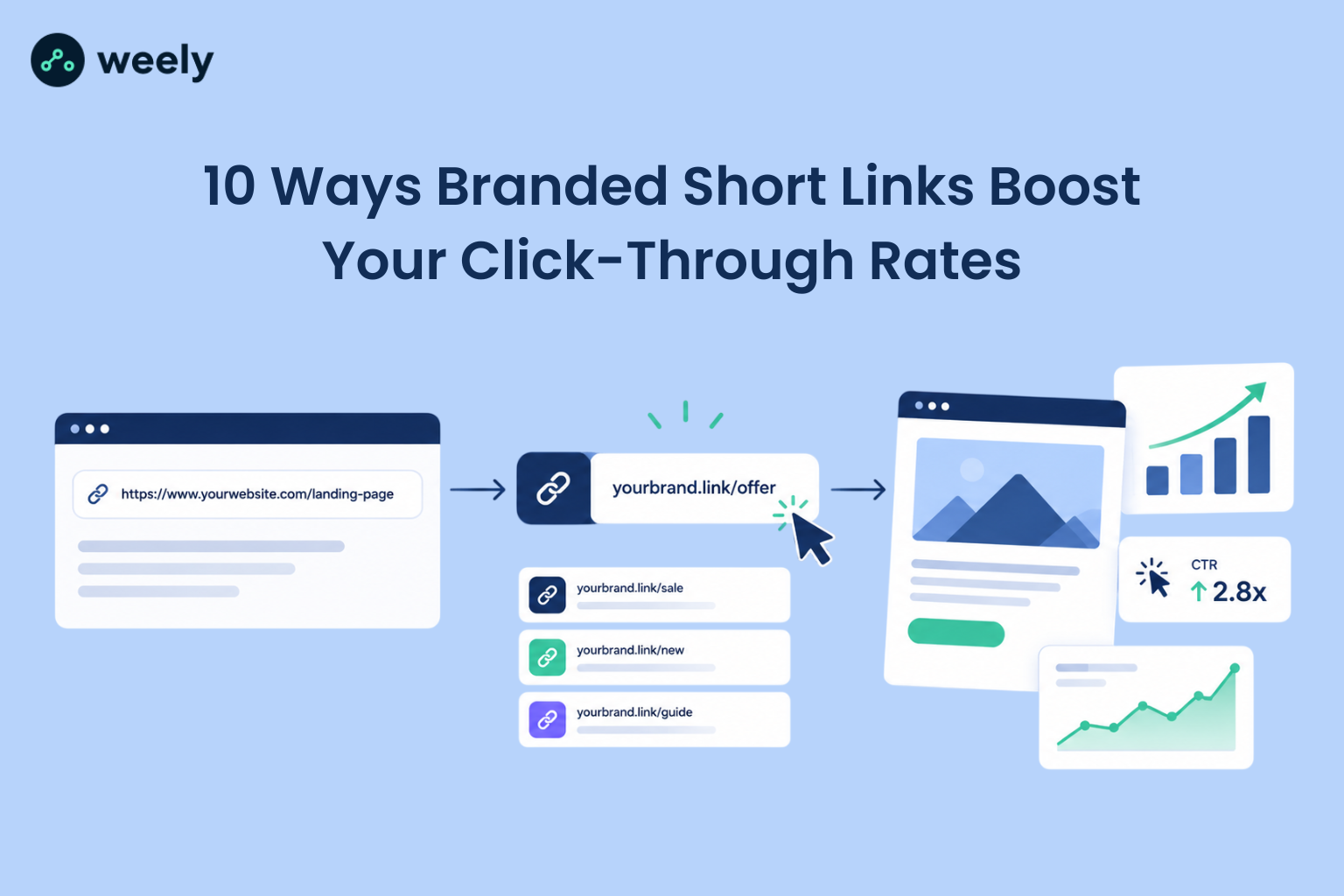
If you want to boost your click-through rates, smart short links are a smart, measurable solution. These advanced URL shorteners put your ugly, long URLs in a neat package and come with link tracking, analytics, and optimization capabilities. Some studies indicate that branded short links can boost your CTR by as much as 35%. As such, smart short links are a useful technique for modern marketers that focus on improving marketing links, maximizing ROI, and increasing campaign performance.
Why Click‐Through Rates Are Important in Marketing
Click-through rates are a critical part of every marketer's analysis. Prior to discussing how to improve CTR, let's recap why click-through rates are important:
- Measure of engagement: CTR is indicative of how enticing your content or call-to-action is.
- Performance indicator: Better CTRs provide greater ad efficiency, better SEO ranking, and conversion.
- Optimization indicator: A low CTR indicator alerts you to the need to optimize other aspects like messaging, placement, or use of links.
In short: improving CTR is the most direct route to improving your marketing links, maximizing ROI, and becoming more effective at digital marketing.
What are Smart Shortlinks?
Smart short links encompass more than just a shortened URL. Smart short links include smart functionality and live data that create an optimized marketing asset. Capabilities include:
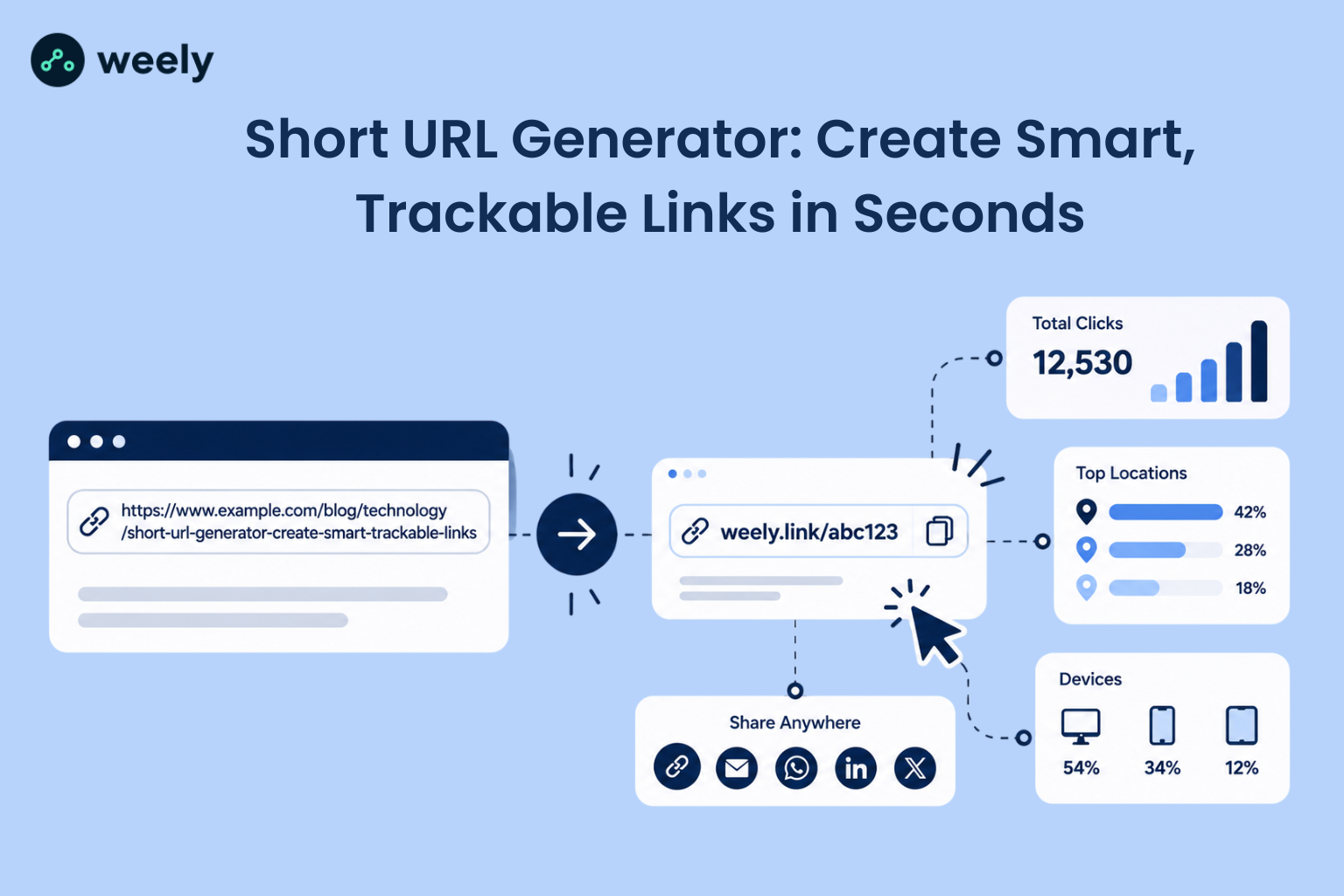
- Analytics: Track clicks, where the user is located, what device they are using, and where you referred them from.
- A/B testing: Split the traffic to other landing pages to determine which is performing better.
- Contextual routing: Route unique users to landing pages based on their device, location, or language.
- Branded domains: Use branded or custom links that increase credibility and exposure.
- Integrations: Take advantage of integration opportunities with your CRM, email platforms, and analytics platforms to build your marketing process.
Discover How Smart Short Links Can Boost Your CTR by 35%.
1. Branded, Trusted URLs
Branded short URLs are appealing and trusted, thus encouraging users to click. This small detail can significantly impact user engagement and reduce link anxiety associated with clicking.
2. Personalized, Contextual Journeys
Smart short links can direct users to different destinations based on their device or location; for example, mobile users may be sent to their app store, while desktop users are directed to your website. By reducing friction, you increase engagement.
3. A/B Testing for Maximum Outcomes
Smart links allow you to test many different versions for a landing page, CTA, or ad creative. Testing what resonates with your audience allows you to continually improve click-through performance.
4. Real-Time Analytics
Obtain information about when click-throughs occur, user locations, devices used, and channels users are referred from, all of which can help optimize campaigns for the most impact.
5. Retargeting and changing on the go
Some platforms allow you to add retargeting pixels or change out the link's destination, even after the link is live. This feature allows for real-time changes to improve performance.
When implemented consciously, smart short links can increase CTRs by upwards of 35%, particularly in conjunction with clean branding and optimized user journeys.
Step-By-Step Guide to Increase Click-Through Rates, Using Smart Shortlinks
Step 1: Set a Goal
What is it that you want sales, sign-ups, downloads, or views? Once you have a clear goal, setting up your short links will become much clearer.
Step 2: Choose the right tool
Pick a link-shortening platform that offers smart options such as branded links, A/B testing, analytics, and routing.
Step 3: Use a Custom-Branded Short Domain
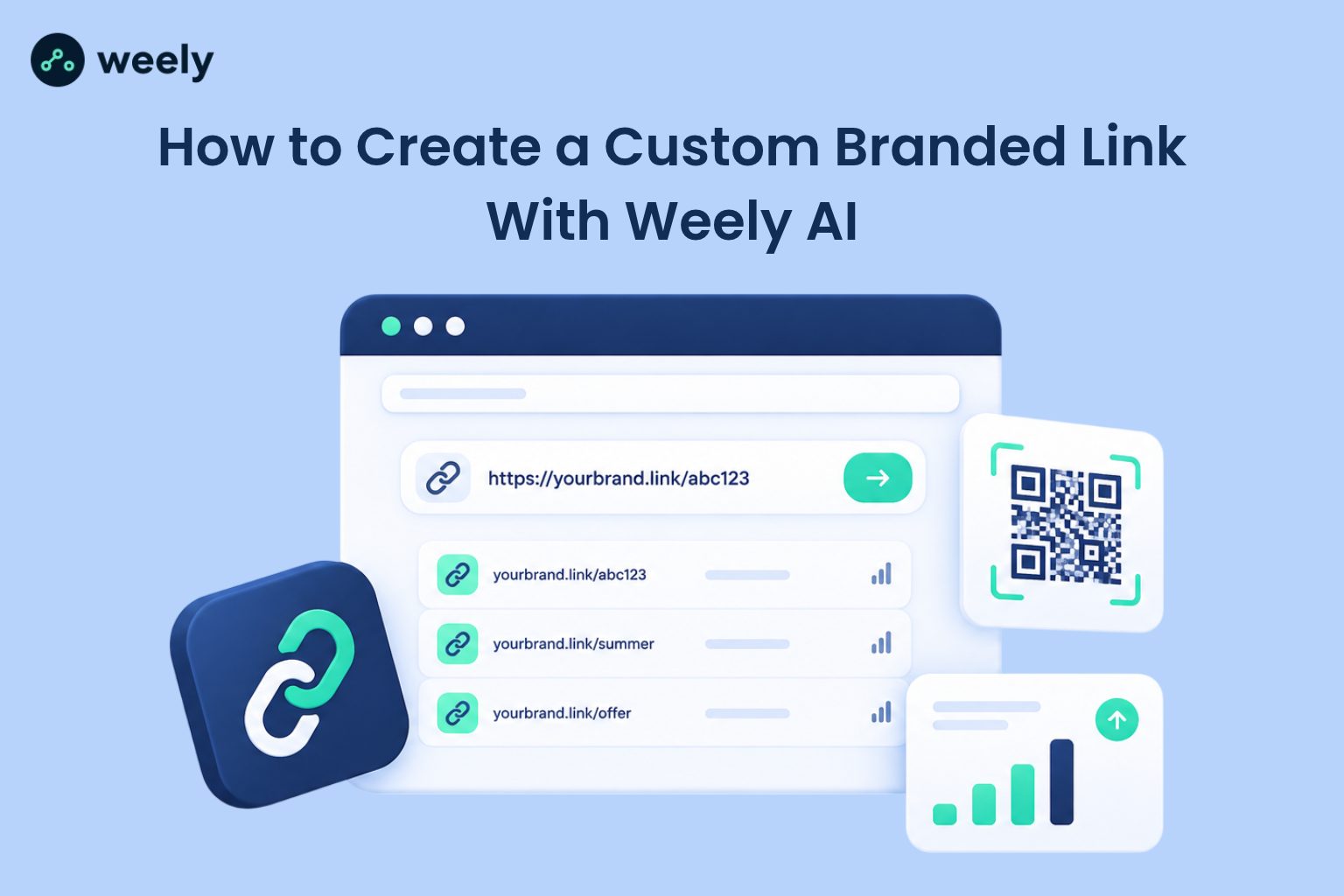
When you use a custom-branded, recognizable domain that details your identity, your users will have better results and take action on your links. Instead of a generic link, use yourbrand.link to help establish your identity, therefore increasing click-throughs.
Step 4: Contextual Redirects
Send users to different destinations based on factors like device type, location, or language preference. This improves the user journey and reduces drop-off.
Step 5: A/B Test Your Links
You should test multiple calls to action, headlines, images, and landing pages. Split your traffic evenly, and track performance so you can determine where there is potential for better converting.
Step 6: Add UTM Tagging
Use UTM tracking tags to tell you where they are coming from (email, social, paid, etc.) and compare their performance in a tool like Google Analytics.
Step 7: Promote Your Links
Put your smart short links in email campaigns, social posts, digital ads, printed promo material, etc., anywhere you want to get clicks.
Step 8: Track Key Metrics
Track CTR (click-through rate); clicks by geography and device; the source of the traffic; what the bounce rates are, etc. The more information you have, the better ability you have to analyze and evaluate links' performance and ad spend.
Step 9: Be Data-Driven
Do not set it and forget it. Your link management dashboard provides analytical comments to improve low-performing links, change destinations, or test new variables.
Step 10: Integrate & automate
Connect and integrate your short link platform with your marketing tools to automate link building, reporting, and campaign management and take your consistency and scale to another level.
Benefits of Smart Short Links in Digital Marketing
Increased Click-Through Rate: Short, branded links are more trustworthy and clickable than longer URLs.
- Look at the data to help you make smarter choices: Real-time data gives you many options for making smarter choices.
- Optimized user experience: Routing ensures that users arrive at the intended landing page, which is designed to maximize your conversion rates.
- Performance testing: You can test headlines, calls to action, creatives, or anything else.
- Organized campaigns: Centralized dashboards to manage link campaigns keep you on track and organized.
- Better ROI: Smart targeting and tracking allow you to make the most of Smart Shortlinks and have less waste.
Mistakes to Avoid with Smart Shortlinks
Even with the wonderful smart short link tool, there are many common blunders that will erode the power of the smart short link marketing strategy. Here are some frequent blunders you should not make.
1. Using a generic shortener: Generic URL shorteners without your own branding reduce the trust level of the link and definitely look less professional.
2. Do not provide a clear call to action: when simply sharing a short link with no context, the user has no incentive to click.
3. Poor placement: Making links difficult to find, placing them in obscure low-traffic portions of the content, or burying them deep in text makes them less likely to get clicks.
4. If you don't review your shortlink click-through performances or other data, you will miss an opportunity to optimize efficiency.
5. Linking to broken maneuvering: Not conducting a test of your link before launching a campaign can result in dead ends for users or simply a frustrating experience.
How to Solve These Problems:
- Use short links with your site or campaign that are branded just for you.
- Each short link should be associated with a company that has a strong layout and visible CTAs (like "Get your free trial").
- Position your short links near interesting and compelling content.
- Use link monitoring analytics to assess the performance of your short links.
- Check links for functionality on each device/platform before publishing.
Real-Life Use Cases of Smart Short Links in Marketing Campaigns
Example 1: Email Marketing
A software business has implemented smart branded short links in its email newsletter, which include tracking query string parameters. By organizing lists by audience segments, mobile-based devices, and device resolution, along with personalized product demonstrations, the business achieved a 29% lift in click-through rates over a two-month period.
Example 2: Social Media Advertising
A lifestyle brand incorporates branded smart short links into every social media campaign. The emails included device-aware redirects, targeting mobile and desktop device users with appropriate CTAs that aligned with promotions. Ultimately, there was a 32% improvement in click-through rates with branded links compared to prior campaigns that used plain links.
Example 3: Influencer Marketing
Influencers in the wellness industry included smart short links in their profile bios and posts. Brands used smart short links to create reports to track their users' actions and message optimization. Additionally, companies could now use verified conversions rather than going in after impressions or follower counts to calculate their payment and partnership decision.
The examples provided above demonstrate how smart links enhance tracking capabilities, boost engagement, and optimize marketing across various channels.
In which marketing channels can you use smart short links?
Optimizing performance and increasing CTR via smart short links can optimize, as part of an overall strategy:
1. Email and marketing automation: Place smart links in CTA buttons and text links, banners, and any other digital assets to drive readers to specific offers or landing pages.
2. Social media: Place branded short URLs on posts, stories, bio information, and DMs. Consider adding UTM too.
3. Pay Per Click: Smart links can be used and tracked in all paid advertising campaigns to help intelligently direct traffic from a specific ad and examine traffic engagement with different targeting options (channel, device, audience).
4. QR Codes: Numerous platforms exist that can convert links into scannable QR codes for packaging, such as flyers, products, and banners, facilitating both offline and online engagements.
All of your channels working together will create more consistency, gather more complete data, and hopefully produce higher click-through rates with your campaigns.
FAQs
How do smart short links improve click-through rates?
They enhance CTR through branded links, contextual redirection, A/B testing, and advanced performance data; each of these things decreases friction and promotes engagement.
What are the benefits of smart short links?
Clean links, advanced tracking, personalized routing, real-time editing, testing, and automation are some of the many benefits smart short links can provide.
How can smart short links help me achieve better marketing ROI?
Yes! Because they increase click-through rates, reduce bounce, and help you target your audience better, smart short links will help marketers get more out of the same budget.
How do I measure click-through rates?
Clicks divided by impressions. UTM tracking and analytics dashboards will help you understand when, where, and how your users are engaging.
What is the best tool for smart short links?
It depends on your situation. Look for the features you are most interested in, e.g., custom domains, analytics, retargeting, routing, and A/B testing.
Why are click-through rates significant?
CTR provides you an indication of how successful your campaigns are at grabbing the interest of your audience. High CTRs usually correlate with leads, conversions, or revenue.
What are some ways that I can optimize my links to drive better engagement?
Use custom domains, include strong CTAs, prominently place your link, make variations, and test/evaluate based on data effectiveness.