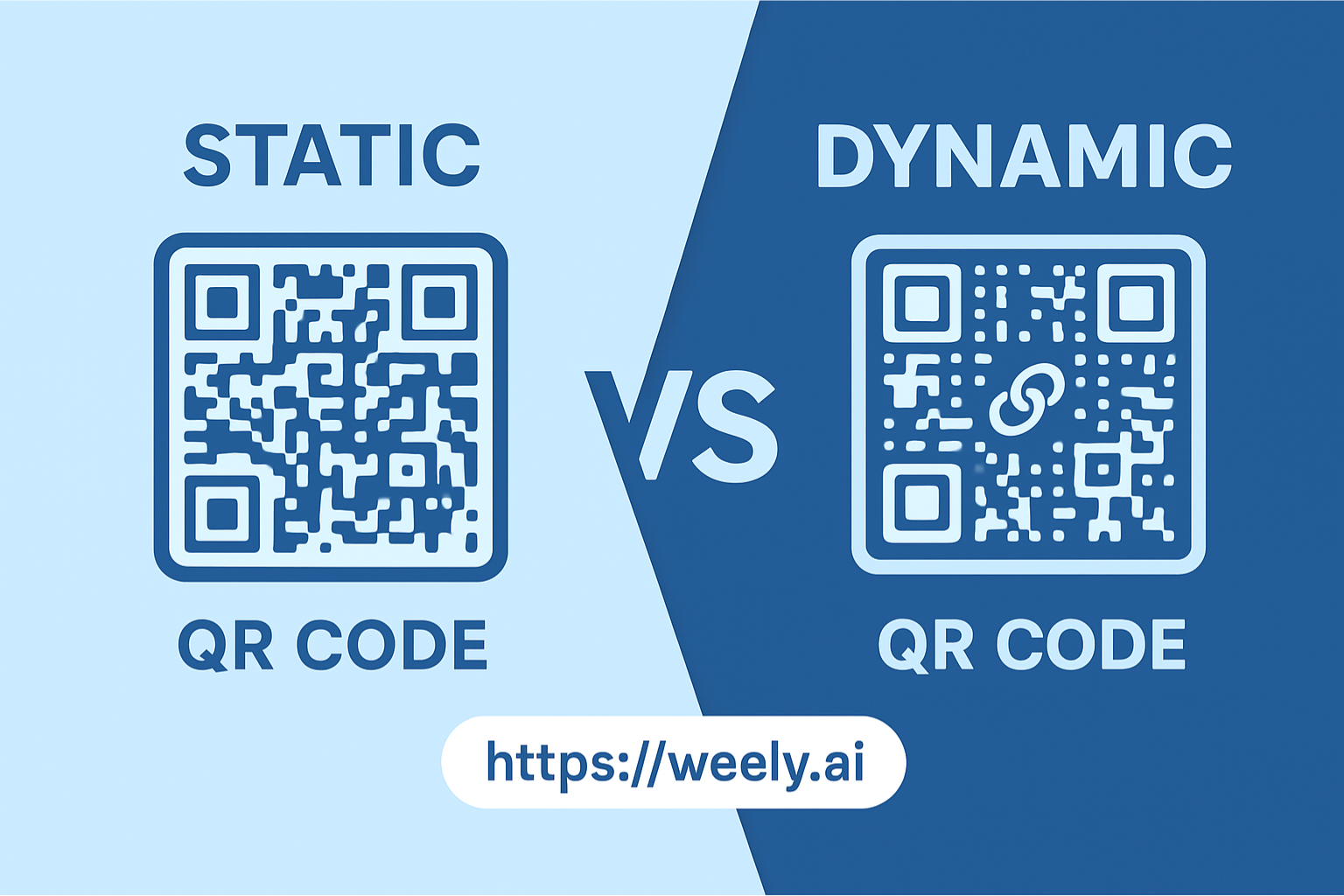
It is important to know about static vs. dynamic QR codes when choosing which QR code to use. The primary difference is how the information is stored and whether or not the QR code can be updated in the future. Static QR codes contain fixed information that cannot be changed after they are created, so they are best for information that won't change, such as contact information, Wi-Fi passwords, or a printed label on a product. They are very easy to use, free to create, and do not require continued management after they are created.
Dynamic QR codes allow you to change (or update) the destination link at any time and without the need to reprint the QR code. This makes dynamic QR codes very useful for marketing, menus, promotional campaigns, etc. Dynamic QR codes are a better option if flexibility, analytics, or performance tracking are essential for your purposes. Knowing what the difference is between static and dynamic QR codes and knowing when to use a static vs. dynamic QR code will help you make the best choice for your need.
What Are Static QR Codes?
Static QR codes contain fixed, permanent data that has been established once the QR code is generated. Since the data to be accessed is already embedded in the pattern, the destination (a website link, for example, or a Wi-Fi network, or a contact's information) remains unchanged forever. Therefore, static QR codes are perfect for applications where content is constant and QR code tracking or analytics are unnecessary. Since static QR codes are not editable once printed, there is no performance tracking, analytics, or redirection, which are all attributes of dynamic QR codes.
Key Characteristics of Static QR Codes
Static QR codes are easy to create and use, and they are certainly dependable for personal or non-marketing purposes. Also, static QR codes tend to be used frequently because there are many free static QR code generators that allow unlimited creation.
- Permanent information: The data will always remain in the QR pattern, and there is no option to edit or change the code.
- No tracking: Static codes will not provide any scan capabilities to see how many times or where the QR code has been scanned.
- Free to create: Most online free QR code generators will allow you to generate static codes at no cost.
- Simple and fast: Static QR codes can scan more quickly and load faster because there is no redirect (the QR links directly to the content).
Practical Use Cases for Static QR Codes in Business and Daily Applications
Static QR codes are used often in cases when the information does not change and tracking is not needed. Static QR codes are perfectly suited for personal and informational use or in situations of fixed digital content.
- Wi-Fi access: Post a QR code so that people can scan their device onto a network without typing in a password.
- Contact information: Use a vCard QR code on a business card, which users can save to their phone contacts.
- Event details: Use posters or brochures that link to a fixed date or location map.
- Website links: To link to a permanent website page linking to a website page with legal information or policy materials.
- Payment information: Create a QR code for a fixed amount used as a point of sale, checkout, or at an electronic donation kiosk.
What Are Dynamic QR Codes?
Dynamic QR Codes give you the flexibility to change or update the destination URL, even after printing your QR code. Additionally, they allow for QR code tracking so that businesses can measure scan performance, locations, devices, and engagement. Dynamic QR codes can be updated at any time, which makes them excellent for marketing campaigns, business promotions, and long-term content management where there is always a need for content flexibility and analytics.
Key Features of Dynamic QR Codes (Editable, Trackable, and Flexible)
Dynamic QR Codes provide powerful features for business purposes, especially when you need to continue to update and report on performance.
- Editable Destination: At any moment you can update the linked URL or content without having to reprint your QR code.
- Tracking & Analytics: Tracking scan count, location, device type, and engagement to report on performance and ease of access to tracking data.
- Device-Based Redirection: You can redirect users to a different page automatically based on their device type (i.e., Apple App Store vs Google Play Store).
- Campaign Flexibility: You should still be able to make changes to the landing page or promotions after the materials have been sent out.
- Simplified Code Pattern: Because the code only stores the short redirect URL, the design of the code stays clean and is easier to scan.
Practical Use Cases for Dynamic QR Codes in Business & Marketing
Dynamic QR codes are especially valuable in instances where the content changes frequently, or knowing something about real user behavior is important.
- Marketing Campaigns: Quickly update promotions, landing pages, or offers.
- Restaurant Menus: Change items, prices, and items of the day on the menu anytime, even if you didn't reorder printed menus.
- App Download Links: Have it so customers are sent to the app store, depending on device type, and download the app you have direct links for.
- Product Packaging: Update and change manuals, guides, or product information localized for the market at any time.
- Digital Business Cards: Customers can save your information, but you can update and change your contact information on the cards you provide from your webpage.
Static vs. Dynamic QR Codes: Side-by-Side Comparison
It is important to know the difference between static QR codes and dynamic QR codes when looking to select which type is best for your marketing, business, or informational purposes. Static QR codes have unchanging, fixed data that cannot be changed after being generated. While dynamic QR codes utilize a redirect URL that enables changing the destination at any time. In addition, dynamic QR codes have the ability to track scans and analytics data, while static QR codes do not provide the ability to track QR codes.

Which QR Code Type Should You Use?
Deciding between static QR codes and dynamic QR codes depends on whether the content you want to share is static or dynamic in nature. These codes are best if you want something more permanent and you don't need to track QR code performance. But if you need flexibility, to be able to change your link or even monitor the engagement through scan analytics – you should go with dynamic code. Knowing when to use static vs dynamic QR codes means that your marketing and communication strategy will be the efficient, scalable force it needs to be.
Static vs. Dynamic QR Code Selection
Static QR Codes:
The data is fixed and cannot be altered after generation.
Best For: Websites with a permanent link, Wi-Fi passwords, vCard contact details, as well as PDFs of menus or anything that will remain the same.
Dynamic QR Codes:
The destination URL can be edited at any time without reprinting the QR code.
Best For: Marketing campaigns, product packaging, restaurant menus, digital brochures, or wherever tracking and performance metrics are evaluated.
Recommended QR Code Types for Specific Use Cases
Select the correct QR code format depending upon the information being shared:
- For a Website: Select a URL QR code to link to a homepage, landing page, or social profile.
- For Contact Information: Use a vCard QR code to share name, telephone number, email and business information instantly.
- For Events: By scanning a QR code, users can quickly add event details (like date, place, and time) to their calendars.
- For Locations: Use a Location QR Code to open the mapping app (Google, Apple, etc.) with the location's map coordinates already in it.
- For Apps: App QR codes will automatically bring the user to the App Store or Google Play Store depending on their device.
- For Security: An SQRC (Secure QR Code) on confidential information opens the door to securely share sensitive information, like medical reports and financial account details.
How to Create Static or Dynamic QR Codes
Decide if you want a static QR code or a dynamic QR code. Static QR codes are fixed data and are unchangeable. Dynamic QR codes allow you to edit the destination and provide scan analytic data. You can create both types with the Weely QR Code Generator, which allows customization and management in one dashboard.
How to Create a Static QR Code
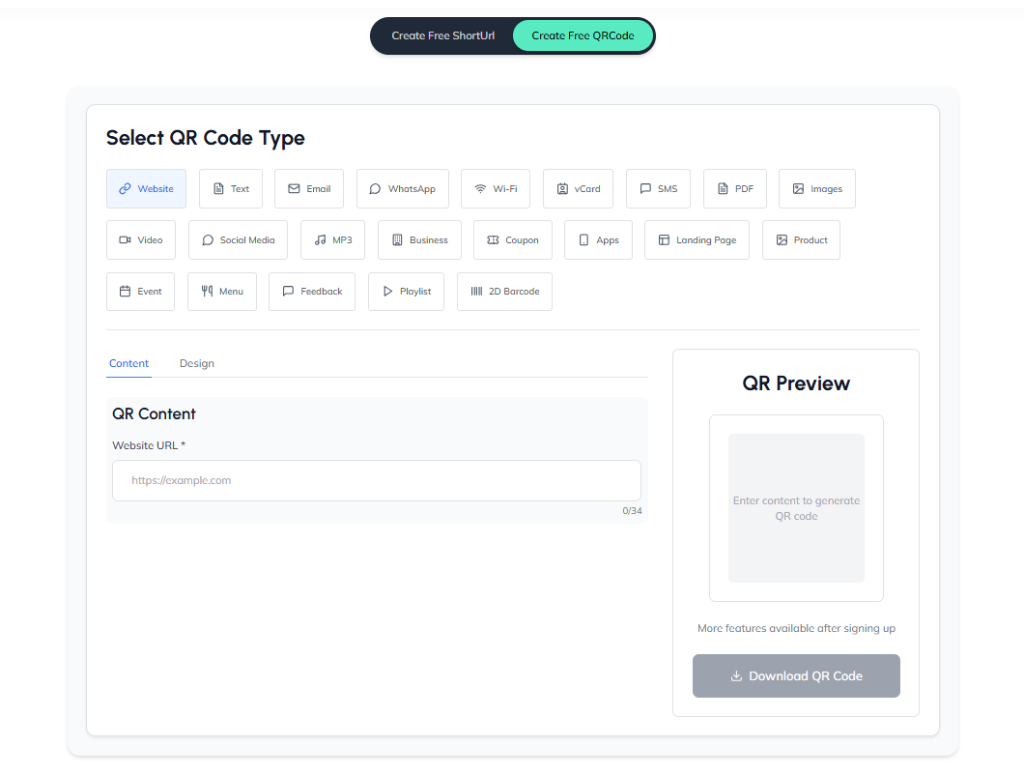
- Use a static QR code generator: Visit a site like Weely QR Code Generator and select the static option (URL, text, etc.).
- Enter your data: You can enter a URL or any type of material you would like it to link to.
- Customize (optional): Some QR code generators allow you to do some basic customization of design.
- Download: Once you have completed your QR code, you can also download the QR code image. Just remember, for static QR codes you can't change the destination once it's created.
How to Create a Dynamic QR Code
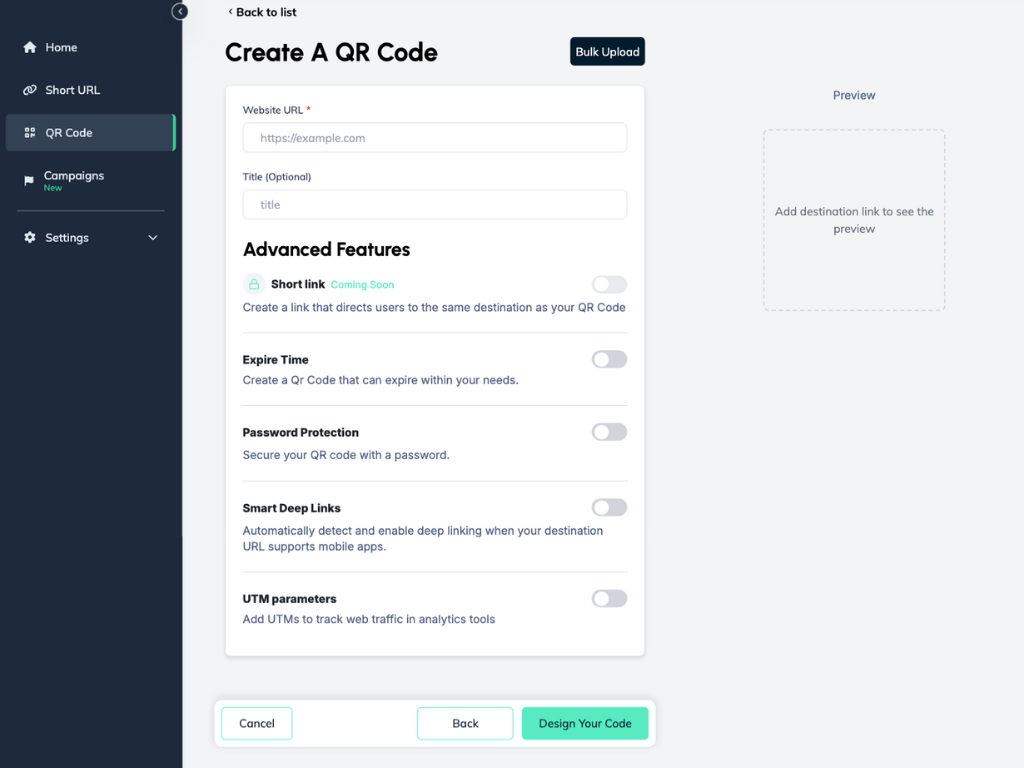
- Use a dynamic QR code generator: Visit a website that can make dynamic QR codes, such as Weely.
- Sign up or log in: Dynamic QR codes will typically require you to create an account in order to change things later.
- Input your URL: Paste in the URL you would like to use into the QR code generator.
- Design your code: Change up the design (the colors, putting in a company logo, etc.). There may be options for changing error correction.
- Save and download: Once you are satisfied, create and download the QR code. You can now edit the destination URL later through your account without needing a new code.
Final Thoughts
Understanding the differences between static vs. dynamic QR codes will be essential for making the best choice for your business or project. Static QR Codes are for permanent information, which will not change inclinations, whereas Dynamic QR Codes will be the flexible alternative you need to forward destinations to or have analytic purposes for along the way. If you have marketing campaigns to run, a menu to update, or an event to promote, or if you favor a helpful alternative with more insights, then QR codes, and especially dynamic QR codes, will have clear advantages and value.
QR code generators like Weely QR Code Generator make QR codes easy. Even if you wanted to create a static QR code simply to share information, or if you want to create a dynamic QR code to compare analytics or edit the link, Weely QR Code Generator is an easy, customized experience regardless; whether your QR code is static or dynamic, you can personalize it, build your brand, and manage your codes all from one dashboard.
FAQs About Static vs. Dynamic QR Codes
What is the key difference between static and dynamic QR codes?
The primary difference between static and dynamic QR codes is that static QR codes have an embedded, unalterable data set when created. On the other hand, dynamic QR codes have a link that can be edited at a later time to change the content and have analytical capabilities to figure out how the QR code has been scanned.
Are dynamic QR codes more useful than static QR codes?
Dynamic QR codes are generally preferable for marketing campaigns, any type of tracking, and the ability to modify content. Static QR codes are well-suited for simple, fixed information that will not need updating. Your choice of QR code would depend on the purpose of the QR code.
When should I use a static QR code?
It's best to utilize static QR codes for data that is fixed, for example:
- Wi-Fi passwords
- Contact details (vCards)
- Permanent website links
- Product labels
- Flyers or posters that never change
When should I use a dynamic QR code?
Dynamic QR codes are suited to content that might change. This is true for:
- Marketing campaigns
- Digital menus
- Event promotions
- Product packaging updates
- App download links
Dynamic QR codes allow you to edit the underlying content as well as track scans without needing to reprint the QR code.
Do dynamic QR codes require a subscription?
Usually just because dynamic QR codes come with dashboard access and analytics and an ability to change the destination while still getting analytical data with no reprint, so for most services (like the Weely QR code generator) you have to sign up for or subscribe to.
Are dynamic QR codes safe to use?
Yes, dynamic QR codes are safe, especially when created on a platform you trust. In addition, some services offer password protection, control domains for scanning, and security encryption.
Which is better for business use: static or dynamic QR codes?
For most companies, dynamic QR codes would be better because they allow for flexible, branded, customized coding and tracking and analytics of performance. However, static QR codes work well for basic one-time cases.