QR codes on food packaging are changing how food brands connect with consumers. They also turn simple packaging into a digital experience. Customers can also get product details, safety data, and brand stories in one scan. This shift is creating the benefits of QR code food packaging, greater transparency, and improved brand-to-buyer trust. Today, QR codes are no longer a feature. Therefore, they are increasingly becoming a standard in modern food labeling and smart packaging systems.
What Are QR Codes on Food Packaging?
QR codes on food packaging are scannable codes printed on product labels by manufacturers that connect directly to digital information. QR codes on food packaging serve as a link between physical products and online content. So brands can offer detailed product data without cluttering packaging.
Simple Definition of QR Codes in Packaging
QR codes are two-dimensional barcodes that hold data. When scanned, they launch a webpage or digital experience. In food packaging, QR codes are used to communicate information concerning the product, safety instructions and promotional materials.
How QR Codes Work on Food Packaging
When scanning a code, the system immediately connects a user to a digital platform. This is how QR codes work on food packaging in real life. So, users can easily find product-related information without waiting.
What Information Can QR Codes Provide on Food Products
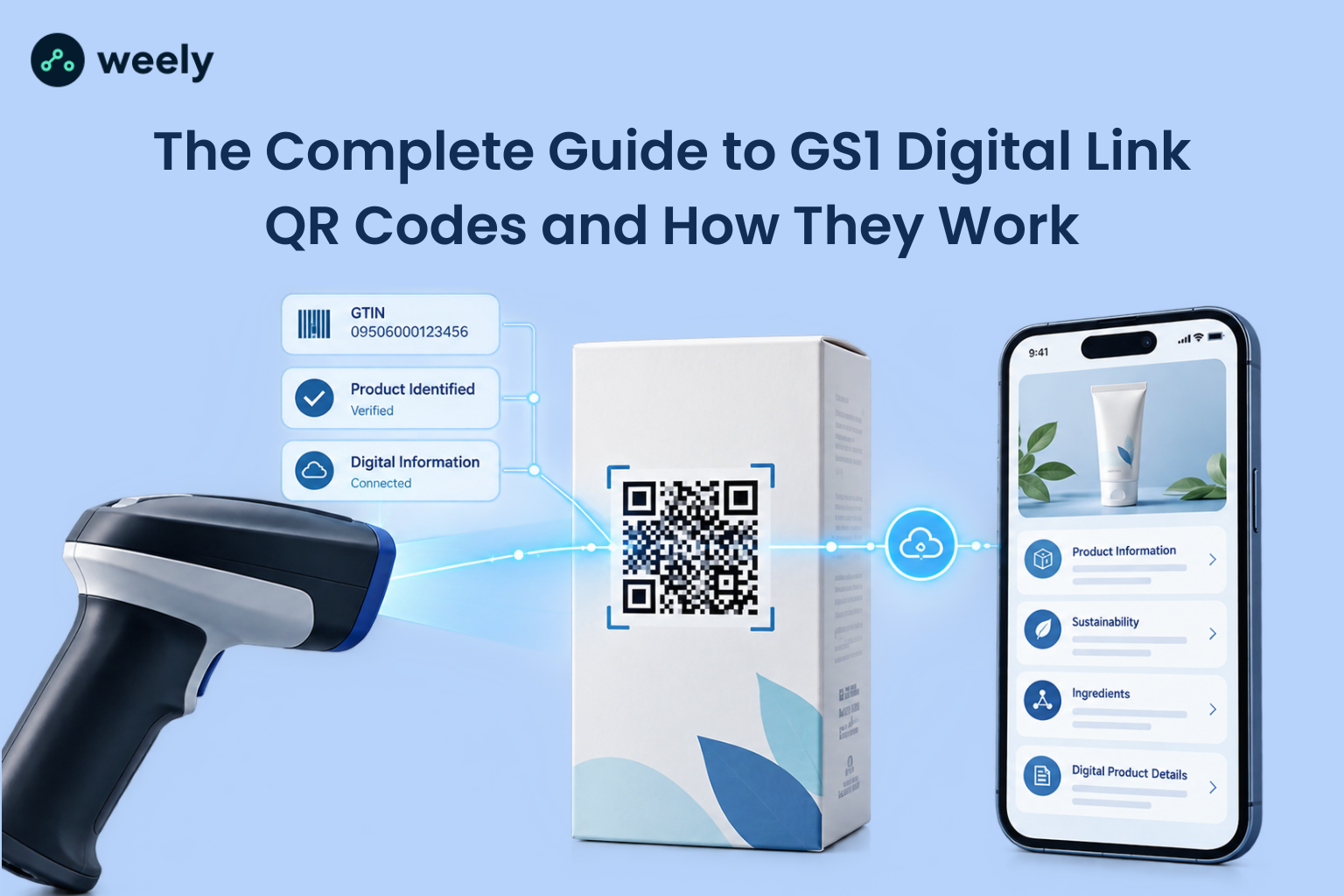
QR codes can provide information on ingredients, allergens, certifications, sourcing, and even videos. This information is in support of queries on what information QR codes can provide on food products. This increases transparency for consumers.
Static vs Dynamic QR Codes
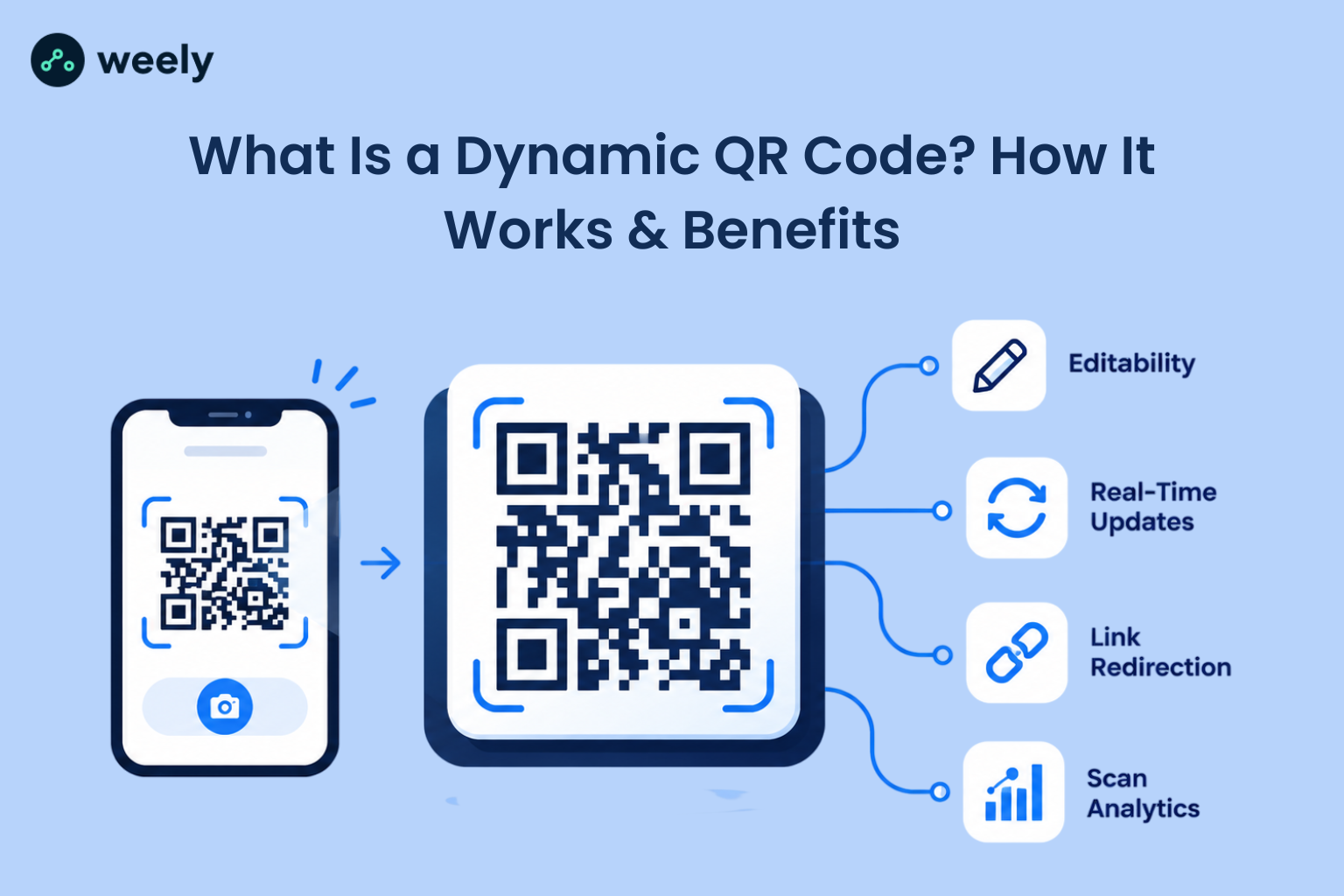
Static QR codes are fixed once printed. However, dynamic QR codes for food brands allow companies to change content at any time without changing the packaging. Static vs. dynamic QR codes thus allow brands to go for the right choice based on flexibility and long-term needs.
Why Are QR Codes on Food Packaging Important Today?
The Food Industry Goes Digital. Consumers no longer rely solely on printed labels. Instead, they want to get to product details, safety information and sourcing data quickly. That’s why QR codes on food packaging are a key search topic. As a consequence, people make faster and better decisions.
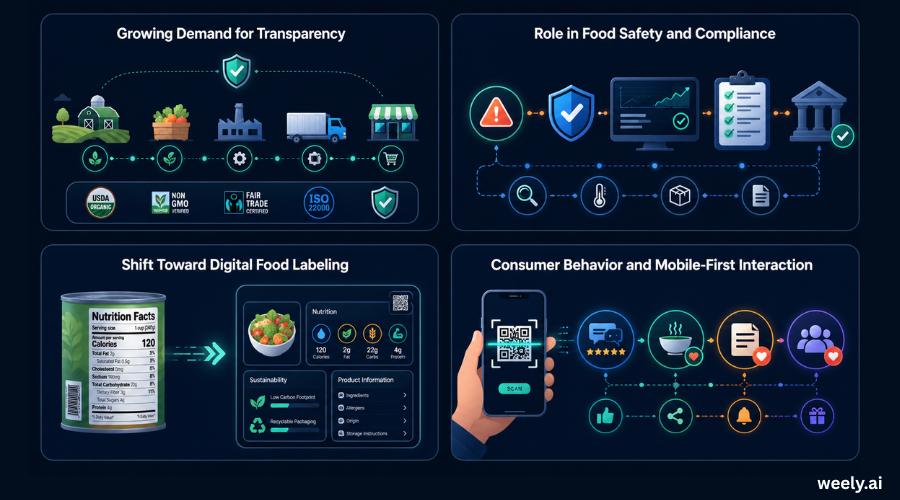
Growing Demand for Transparency
Consumers are more careful in checking food now. They also want to know where it is from. So, QR codes for product transparency in food systems are growing fast. These QR codes provide immediate access to sourcing, farming practices, certifications and ingredients. They build trust as well. They make the store less confusing.
Role in Food Safety and Compliance
Food safety rules are tougher nowadays. So digital tracking is essential. QR code food packaging compliance helps brands follow regulations and improve traceability. Companies can also update recall information and alerts in real-time. It means customers always receive the right information.
Shift Toward Digital Food Labeling
A printed label has limited space. Also, they are not changeable when printed. Digital food labeling with QR codes is, therefore, very useful. Brands can add nutrition facts, sustainability information and usage steps. This approach makes information clear. And printing costs are reduced.
Consumer Behavior and Mobile-First Interaction
Most consumers rely on smartphones for decision-making. Hence, interactive packaging QR code use cases are very effective. People scan products and look at reviews, recipes or brand stories. Also, this mobile-first habit is transforming food packaging design.
How Do QR Codes Work on Food Packaging?
The QR code on a food package is a digital bridge between the physical product and the online content. They link consumers to real-time information that brands can manage dynamically. The system is becoming a core part of packaging strategies and modern food communication models QR code landing pages.
The Technology Behind QR Codes
QR codes store information that can be read by a smartphone camera. Once scanned, the code takes users to a digital destination, such as a website or a product page. Platforms like Weely AI allow brands to manage and update this content efficiently. It allows scalable smart packaging QR code solutions that are trackable, flexible and easy to control.
From Scan to Experience
A consumer scans a QR code and is transported to a branded digital experience. This could be videos of the product, ingredient breakdowns or certifications. This journey is a QR code landing page for packaging and turns passive packaging into an interactive digital touchpoint. It adds to the story and it adds to brand engagement at the point of purchase.
Real-Time Updates and Control
Flexibility is one of the greatest advantages of QR technology. Brands can update content at any time without changing the design of the package. This is done through dynamic QR codes for food brands that can be updated in real time with product details, promotions or compliance information. And it makes sure packaging is always accurate and applicable without any added printing costs.
Key Features of QR Codes in Food Packaging
QR codes give traditional packaging strong digital capabilities. They promote transparency, engagement and efficiency. They also promote QR code food packaging benefits and modern food branding strategies.
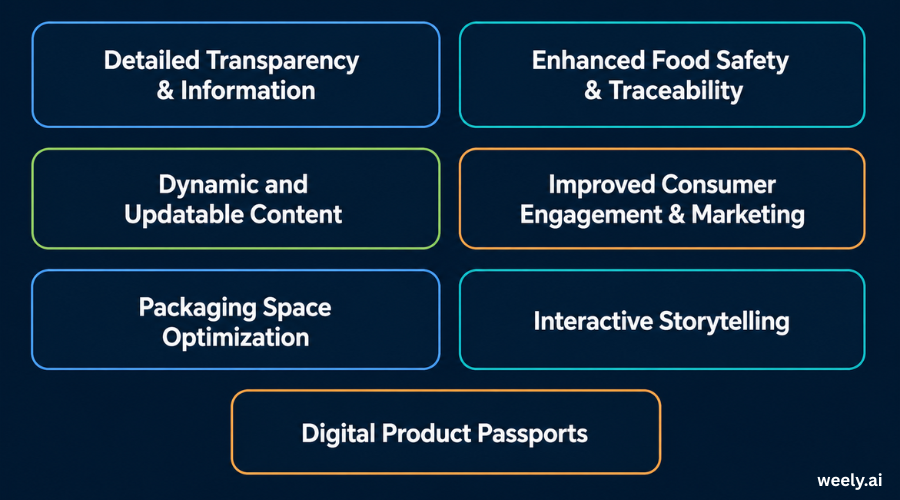
Detailed Transparency & Information
QR codes provide complete product transparency. They call out important details such as ingredients, sourcing and certifications. This supports digital food labeling with QR codes. Clear information for consumers in one scan. Also, brands have all their data in one place, so there’s less confusion.
Enhanced Food Safety & Traceability
Today food traceability is crucial. A QR code food traceability system allows brands to track products from origin to shelf. This increases safety and recall speed. It also supports QR codes for tracking the food supply chain. A real-time view of every step of production allows brands to monitor the process closely.
Dynamic and Updatable Content
Printed labels are permanent. However, QR codes are still flexible. Dynamic QR codes for food brands enable companies to update content at any time. They are able to update product information, marketing content or compliance data. This way brands avoid reprinting costs and reduce waste.
Improved Consumer Engagement & Marketing
QR codes increase customer engagement. They boost customer engagement with QR codes via offers, videos and brand stories. They also improve food packaging marketing with qr codes and QR code analytics and tracking. Hence, packaging becomes an active marketing tool.
Packaging Space Optimization
Packaging food is a confined space. QR codes solve this problem. They added more content online. This is part of the smart packaging QR code solution. Brands are keeping packaging clean and still sharing all product info.
Interactive Storytelling
Brands tell stories with QR codes. Sharing sourcing, values and sustainability efforts with QR code storytelling food brands. This creates emotional ties and strengthens brand identity.
Digital Product Passports
Digital product passports are a new innovation. They keep full lifecycle data in QR codes. This includes details on sourcing, production and recycling. It is compatible with connected packaging platform systems. That means more transparency and sustainability for brands.
Benefits of QR Codes on Food Packaging
QR codes on food packaging have benefits beyond just digital access. They are changing the way brands communicate, track products and build trust. They also have a connected system that enhances transparency, safety, and customer relations.
Improved Food Safety
QR codes help improve food safety by sharing data in real time. Brands can quickly update information when a safety issue arises. They can also result in quicker recalls. That means with a simple scan, consumers get the right safety information.
Stronger Brand Trust
Today’s consumers want straightforward, honest information. Hence, brands use enhanced brand trust with QR packaging to communicate sourcing, certifications, and production methods. This allows for transparency. It also makes customers feel more confident about their purchases.
Reduced Counterfeiting
Food fraud is a worldwide problem. But QR code security for businesses for fake food products help combat this problem. You can scan for verification of each product. This means customers and retailers can immediately verify authenticity. This helps protect brand reputation.

Better Supply Chain Visibility
QR codes enhance tracking of supplies. They allow for real-time tracking of food products across QR code systems from production to delivery. Furthermore, companies can track inventory better. They also make fewer mistakes and react faster to disruption.
Enhanced Marketing Performance
QR codes also increase marketing results. QR code marketing trends in 2026 boost food packaging marketing. Turns packaging into an interactive tool for brands. They can, for instance, share recipes, discounts, and videos. As a result, customer engagement & repeat purchases increase.
When Should Food Brands Use QR Codes?
The speed of QR code adoption depends on the business objectives, product lifecycle, and customer engagement strategy. Knowing when to use QR codes for food brands helps companies maximize impact. Brands use them for compliance, marketing, and supply chain efficiencies.
- Product Launches: QR codes are very helpful in product launching. They give you quick access to product stories. Brands can easily share ingredients, benefits, and usage ideas in a digital format. That means customers learn new products faster. They also have more confidence to try them.
- Compliance Need: Food rules are closing in. This goes for labeling and traceability. QR codes help with QR code food packaging compliance by storing updated legal, nutritional, and safety details online. This means brands are reducing frequent packaging changes. Information is still accurate, too. Easier to update if you need to.
- Supply Chain Visibility: QR codes improve logistics accuracy. They also offer more transparency across operations. They enhance the QR code for food supply chain tracking by connecting each batch to real-time data. It makes it easy to track products. It also leads to fewer errors throughout the supply chain.
- Marketing Campaigns: QR codes are also an excellent tool for marketing. Brands can execute promotions better. They are able to gather feedback and share personalized content. Packaging becomes a digital engagement device. It gives customers a simple and engaging way to interact with brands.
Use Cases of QR Codes in the Food Industry
QR codes are a common sight in the food industry. They make for safer, faster, better communications. They also keep brands and customers more connected. This will lead to more efficient and transparent food systems.
Supply Chain Traceability & Food Safety
A QR code food traceability system tracks food from farm to table. It records every step of the supply chain. This improves safety and accountability. This also builds trust because customers can see where the food is coming from.
Detailed Nutritional & Allergen Information
People want transparency in food. QR codes help by showing what information can qr codes provide on food products, such as nutrition facts, allergens, and certifications. In addition, this helps users make quick and safe food choices.
Marketing & Customer Engagement
Brands leverage QR codes to engage customers. Use cases of interactive packaging QR codes are recipes, offers and brand content. This makes the packaging more useful. This, in turn, increases customer loyalty.
Sustainable Packaging & Info Updates
Sustainable packaging solutions that use QR codes are supported. Printing labels and paper are used less. Additionally, businesses can always change data. Consequently, there is less trash, and changes remain easy.
Restaurant Operations & Contactless Experience
Restaurants use QR codes for menus and for payments. They explain how to implement QR codes in food business in a simple way. This means faster service, less waiting time and a smoother process, making QR codes for restaurant operations more efficient.
Anti-Counterfeiting
QR codes for real products. They support QR codes for food product authentication by instantly checking product details. This protects customers and builds trust in the brand.
How to Create QR Codes for Food Packaging
Creating effective QR codes needs the right tools and a clear plan. Businesses should produce more than just codes. They need to be user-value focused too. Such an approach provides a better digital experience for the customer with regard to the product.
Choosing the Right QR Code Generator
It is critical to choose a good platform. It’s all about performance and scale. Best QR code generator for food packaging needs supported by Weely AI and similar tools. They allow dynamic updates and tracking. They also provide secure content management for large brands.
Creating QR Code Landing Pages
A strong landing page improves engagement. A QR code landing page builder for packaging helps brands create simple & useful pages. These pages may contain product information, videos, and guides. And the tool allows the user to get clear and fast information after scanning.
Implementation Best Practices
Good QR code use relies on smart placement and design. Code should be easy to scan. They should also be clearly visible on the packaging. Size and contrast are also important for achieving better results. These are the practical steps for how to implement QR codes in food business. Hence, brands can enhance usability and customer experience. These are the QR code design best practices for packaging in food business.
Examples of QR Codes on Food Packaging
Many food brands use QR codes on their packaging. These codes help develop confidence. They also improve the user experience. Plus, they make it easy to access product details. These case studies of QR code food packaging show clear communication and better engagement.
Typical use cases include:
- Product origin tracking for farm-to-table details
- Digital nutrition labels with allergen information
- Brand storytelling with videos and company history
- Sustainability reports with sourcing details
- Product authenticity checks to stop fake goods
- Simple recipes and usage guides for customers
- Discounts, coupons, and loyalty rewards
- Customer feedback and review collection
Future of Smart Packaging with QR Codes
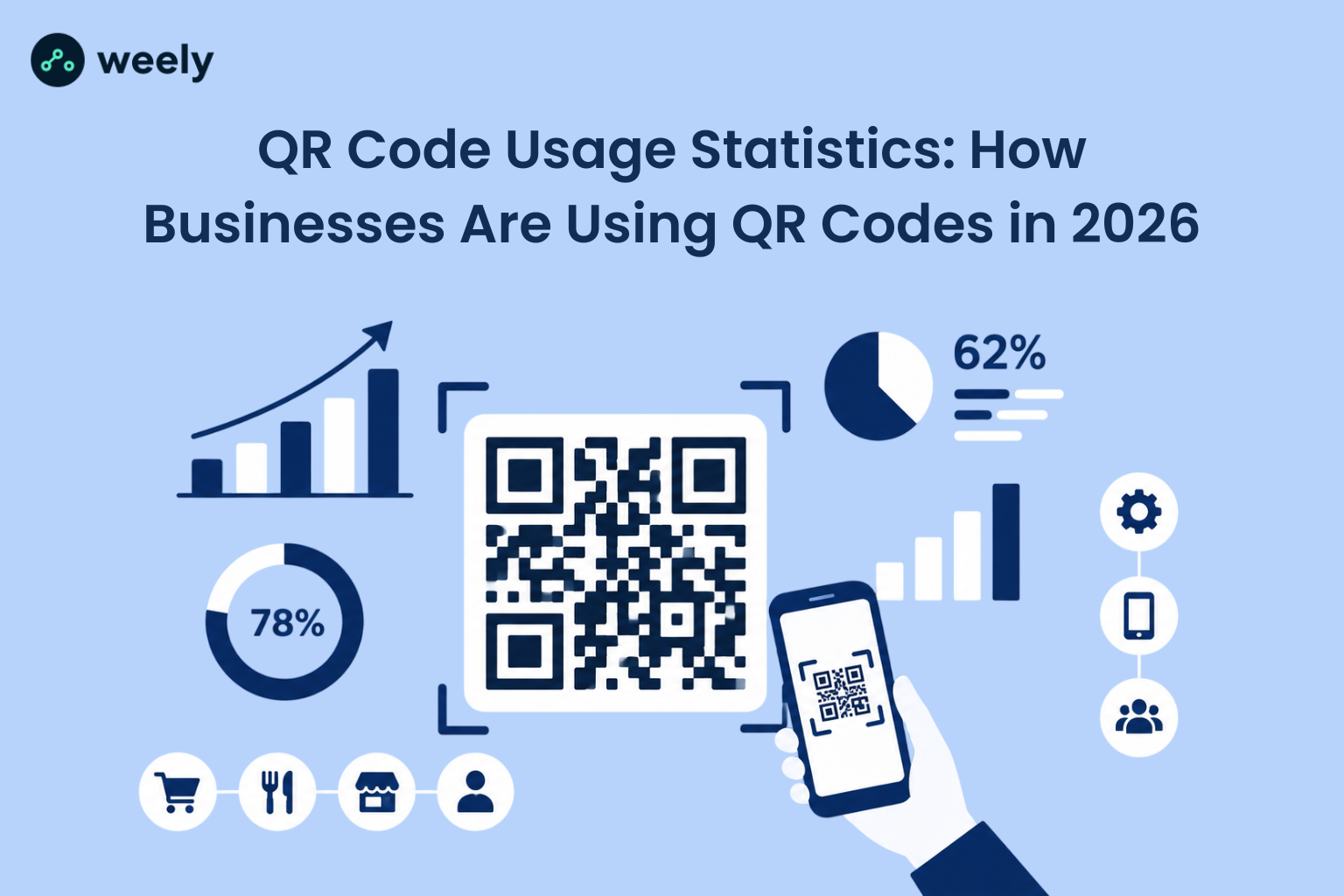
Food packaging is becoming more and more digital and intelligent. Revolutionizing the food industry with the evolution of QR codes integrating AI, IoT and predictive analytics. Emerging QR code packaging trends for 2026 are personalization, real-time data and fully connected supply chains for better efficiency and consumer experience.

Conclusion: Why QR Codes Are the Future of Food Packaging
QR codes on food packaging are here for good. They’re a powerful tool for transparency, safety, and engagement. They also provide smart packaging QR code solutions. They also satisfy modern consumer needs.
With the growth of technology, QR codes will be a must. They will improve the way food brands talk. They will also increase customer trust. The early adopters will have better efficiency and stronger trust in their brands. That’s why the role of QR codes in the food industry is an important topic today.
FAQs
What are QR codes on food packaging?
QR codes on food packaging are digital codes that can be scanned to provide consumers with instant access to product information, including ingredients, sourcing, nutrition, and brand information.
Why use QR codes on food packaging?
QR codes are used on food packaging to improve transparency, trust, and customer engagement and to provide instant product information.
How do QR codes improve food traceability?
Because QR codes attach each product to supply chain data, food becomes more traceable, so you can see where it came from, how it was made, and where it went in real time.
What information can QR codes provide on food products?
The ingredients, allergens, nutritional values, certifications, sourcing, usage instructions, and sometimes recipes or promotional content are embedded in QR codes.
How to implement QR codes in a food business?
QR codes are implemented by generating a code on a platform, linking it to a product page, and then attaching it to the packaging for convenient scanning.