QR Code Analytics is now an important tool for businesses, marketers, and event planners in a world where digital comes first. QR codes used to be just black-and-white squares on posters. Now they are powerful links that connect experiences in the real world and online. But to really get the most out of them, you need to keep an eye on how well they're doing. This blog will explore with you everything you need to know about QR code tracking, including metrics, tools, and best practices.
What is QR code analytics?
QR code analytics is the act of measuring and looking at how well QR codes work. You can get information about when, where, and how someone scanned a QR code every time they do it. This information helps businesses figure out how engaged users are, how well their campaigns are working, and what their return on investment (ROI) is.
Why QR Codes Matter in Modern Marketing
In-person and online outlets can talk to each other through QR codes. They make it possible for marketers to send content, ads, or information directly to users' phones. But businesses miss out on information like scan rates, conversion rates, and customer behavior data if they don't track.
Static vs Dynamic QR Codes
QR codes come in two main types:
- Static QR Codes: These codes have information that doesn't change. You can't change or track them once they've been printed.
- Dynamic QR Codes: These QR codes can be changed, tracked, and provide detailed QR code performance metrics, which makes them ideal for QR code marketing campaigns.
If you know the difference between static vs dynamic QR codes, you can pick the right type for your needs.
How QR Code Analytics Works
QR code analytics helps marketers understand what users do. Businesses can see which campaigns work best by keeping track of scans. It also shows how people use the content. Using this information can help you get a better return on investment (ROI) and improve your marketing plans.
What Happens When a QR Code Is Scanned
The QR code scanner sends users to a URL or digital content when they scan a QR code. This scan also gathers information for dynamic QR codes. The analytics platform keeps track of things like the type of device, the location, and the time of the scan.
How Data is Collected and Processed
The system handles scan data as it comes in. Marketers can then see trends right away on dashboards. This helps them make better choices for campaigns that are still going on.
Types of QR Code Tracking Technologies
Tracking QR codes can be done in many different ways. For instance:
- UTM parameters track marketing links
- IP addresses help locate users
- Device type and operating system detection provide extra insights
These help deliver actionable insights into QR code analytics for marketing campaigns.
Key Metrics in QR Code Analytics
You need to keep an eye on important metrics to measure how well QR codes work. These numbers provide insights into how your audience interacts with your codes. They also show which campaigns are working and which ones need to be better. Marketers can make better choices by looking at this data. It also helps boost ROI.

Total Number of Scans
This is the easiest number to understand. It tells you how many times someone scanned a QR code. Keeping track of total scans gives you a quick look at how much people are engaging. Marketers can look at scans from different campaigns to see which one does the best, for example.
Unique vs Repeat Scans
Knowing the difference between unique users and repeat scans is important. Unique scans show how many people used the code in a unique way. Repeated scans show that interest is still there. So, this metric is a useful way to measure both reach and engagement.
Location-Based Tracking
Location tracking tells you where people scan QR codes. This information is helpful for campaigns and promotions in your area. It also helps find areas that are doing well, such as identifying popular locations for engagement and foot traffic during specific campaigns. It also helps marketers reach their target audience more precisely.
Device and Operating System Data
Knowing what devices your audience uses helps you deliver content better. You can tell if most people use a phone, tablet, or computer to access content. This number also tells you what operating system it is. As a result, it helps make sure that things work better together and that users have a better experience.
Time and Date Analytics
Time and date analytics show you when people scan your QR codes the most. Identifying the busiest times allows you to plan your promotions more effectively. It also shows how things change over days, weeks, or months, indicating trends in customer engagement that can inform future marketing strategies. This information can also help you plan your campaign better and get better results.
Conversion Rate from QR Codes
The conversion rate shows how many scans result in actions you want, like purchases, downloads, or sign-ups. This number tells you how much your QR codes really help you reach your business goals. Monitor results to make ads more effective and get a better return on investment (ROI).
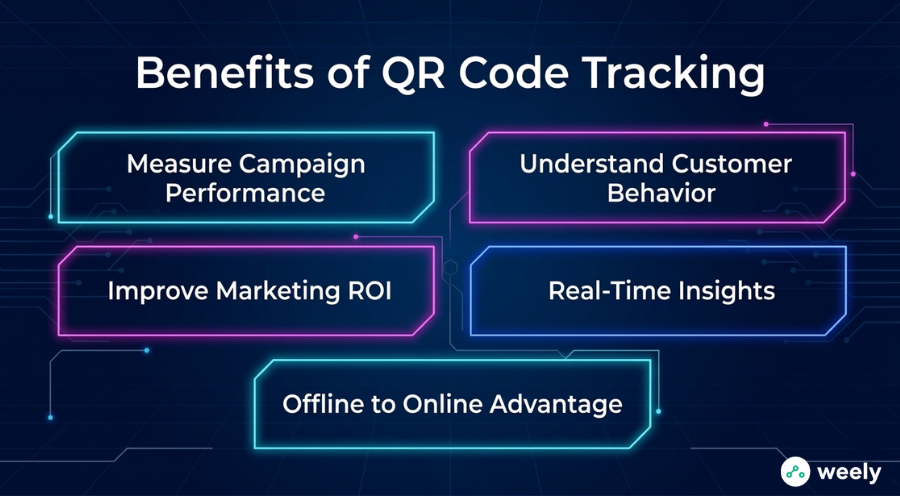
Benefits of QR Code Tracking
Businesses can use QR code analytics to record how well their campaigns are doing. QR code analytics also reveals how individuals interact with the content. Also, this information helps teams make decisions faster and better.
Measure Campaign Performance
Tracking scans lets you see which campaigns get clicks and which ones don't. Marketers can, for instance, look at the results of different campaigns and see how they compare. Then, they can use what works best to improve future campaigns.
Understand Customer Behavior
Analytics shows how people read and use QR codes. It also shows which content gets the most attention. This information can help marketers make better content. It also helps get people more involved and learn more about the audience.
Improve Marketing ROI
Focusing on the best QR codes will give you a higher return on investment. It also makes sure that marketing budgets are used wisely. So, putting the things that work first leads to better results at a lower cost.
Real-Time Insights
You can get data right away with QR code tracking. This means you can quickly change your campaigns based on how people scan them. It also helps you do better and react to trends as they happen.
Offline to Online Advantage
QR codes link real-world things to digital data. They also keep an eye on how people act in both online and offline channels. As a result, marketers can analyze online vs. offline marketing statistics to see how well their campaigns are performing overall.
Best QR Code Analytics Tools
Picking the right QR code analytics tool is important for recording how well a campaign is doing. A good platform helps marketers make decisions based on data and improve their content.
Features to Look for in a QR Code Tracking Tool
A strong QR code analytics platform should have:
- Real-time scan tracking
- Device and location analytics
- Custom dashboards and reports
- Dynamic QR code generation
- Free vs Paid QR Code Analytics Platforms
Free tools are useful for basic tracking, but paid platforms have more advanced analytics, unlimited scans, and the ability to work with marketing automation tools.
Popular QR Code Analytics Tools Overview
Among the capabilities are campaign monitoring, AI-based performance forecasts, and QR code generators with integrated analytics dashboards.
How to Track QR Code Performance (Step-by-Step)
You can see how well your campaigns are doing by keeping track of QR codes. It also shows how people use your content. It also helps you make better choices. This, in turn, makes people more interested.

Step 1: Create a Dynamic QR Code
First, always utilize a dynamic QR code for campaigns that you wish to monitor. This way, you can change it even after it's been printed. Also, you can see the outcomes right away.
Step 2: Add Trackable Links (UTM Parameters)
Thereafter, put UTM parameters in the URLs of your QR codes. This lets you keep track of traffic for each campaign. It also gives you accurate information for each campaign.
Step 3: Use a QR Code Analytics Dashboard
Then, pick a dashboard that keeps track of scan counts, locations, and devices. This way, you get information right away. This also helps you understand how users act.
Step 4: Monitor and Analyze Data
After that, check the metrics on a regular basis. Furthermore, figure out what works and what doesn't. As a result, your campaigns continue to work.
Step 5: Optimize Campaign Based on Insights
Finally, change the placement, messaging, and targeting based on QR code metrics. Because of these changes, your campaigns are more effective. Therefore you get more people involved and better results.
QR Code Analytics for Marketing Campaigns
QR codes help marketing campaigns keep track of engagement on many different platforms. They work for both online and offline plans. Marketers can get useful information if they use it carefully. The tool also helps campaigns get better at every point of contact.
- QR Codes in Print Advertising: Place codes in flyers, posters, and magazines. This helps keep track of offline engagement. It also shows which printed materials get the most attention. Also, it can help with future print campaigns.
- QR Codes in Product Packaging: Record how many times customers scan the QR codes on your products. Scans can be for sales, directions, or more information about the product. Marketers can make their campaigns better by using this information.
- QR Codes for Events and Promotions: QR code for event solutions are excellent for checking in at events, buying tickets, and getting special deals. They let you see how engaged attendees are in real time. This feature lets marketers see which events do the best.
- QR Codes in Digital Marketing Funnels: Include QR codes in your emails and social media posts. This technique connects channels that are both online and offline. Because of this, marketers can keep an eye on how customers move through the process. They can also easily improve their marketing funnels.
Common Mistakes to Avoid in QR Code Tracking
- Using Static QR Codes for Campaigns: Static codes can't keep track of scans. They also can't be changed. So, marketers should use QR codes that change instead. They let you keep an eye on how things are going. You can also change links at any time.
- Not Testing QR Codes Before Launch: Broken codes or wrong links lower engagement. So, you should test each QR code on more than one device. This makes it simple for users to scan them.
- Ignoring Data Insights: Not using analytics is a waste of chances, as it prevents marketers from understanding user behavior and optimizing their campaigns effectively. Also, please examine the scan data on a regular basis. This move improves campaigns and raises ROI.
- Poor Placement of QR Codes: Put codes where people can see and scan them. Furthermore, stay away from designs that are too busy or places that are difficult to get to. Such placement makes scans and interactions go up.
Marketers can improve the performance of QR codes by not making these mistakes. It also makes people more interested. It also provides useful information for future campaigns.
Privacy and Security Considerations in QR Code Analytics
Most of the time, tracking QR codes is safe. To keep user data safe, always use a secure QR code. Keep your privacy laws. Before you gather any information, get permission. Use URLs that are encrypted. Pick QR code generators that you can trust. These steps stop data breaches from happening. They also make sure that users trust them. They follow privacy rules and make QR code campaigns work. In general, these steps make QR code tracking safer for everyone.
Future of QR Code Analytics
The future of QR code analytics is changing quickly. Also, AI can guess what users will do. It also helps campaigns run better on their own. Also, QR code analytics can work with CRM and email platforms because they can be integrated with marketing automation tools. Because of this, QR codes will be more important as more people interact without touching. Companies can also keep better track of engagement. Some of the most important trends are the following:
- AI and Advanced Tracking: Automatically predicts behavior and makes campaigns better.
- Integration with Marketing Automation Tools: This combines QR analytics with CRM and email marketing.
- Growth of Contactless Technology: Increases the use of QR codes to get people involved.
Conclusion
Marketers can use QR code analytics to their advantage. It helps keep track of engagement, figure out ROI, and improve campaigns. Businesses can tell what works and what doesn't by keeping track of QR code performance metrics. You can change the content without changing the QR code itself by using dynamic codes. You can turn basic scans into useful information by using analytics dashboards. So, begin keeping an eye on your QR codes right away. This is how you can make data-driven choices that will help your marketing.
FAQ
Can QR codes be tracked?
Yes, especially when QR codes change. Businesses can keep track of scans and performance with QR code analytics. They can see how many scans there are, where they happen, and what devices are used. This helps marketers figure out how engaged people are. It also helps them improve their campaigns and figure out which channels get the most scans.
What data can QR code analytics provide?
QR Code Analytics gives you important information like the number of scans, the number of unique users, the type of device, the location, the time, and the conversion rates. It also shows how users act, how well campaigns do, and how well content works. Marketers can come up with better plans by using QR code tracking. They can also help future campaigns work better.
Are free QR code analytics tools reliable?
Basic QR code tracking is effective with free tools. They can display scan numbers and unique users. However, they might lack detailed reports or additional features. Paid tools provide dynamic QR code tracking, real-time updates, and detailed performance data.
How accurate is QR code tracking?
Accuracy depends on the tool and technology used. The read information from most changing QR code tools is correct. The report includes the type of gadget, the location, and the time of the check. Markers can make better decisions with the help of QR codes. It makes sure that the right ads are being watched.